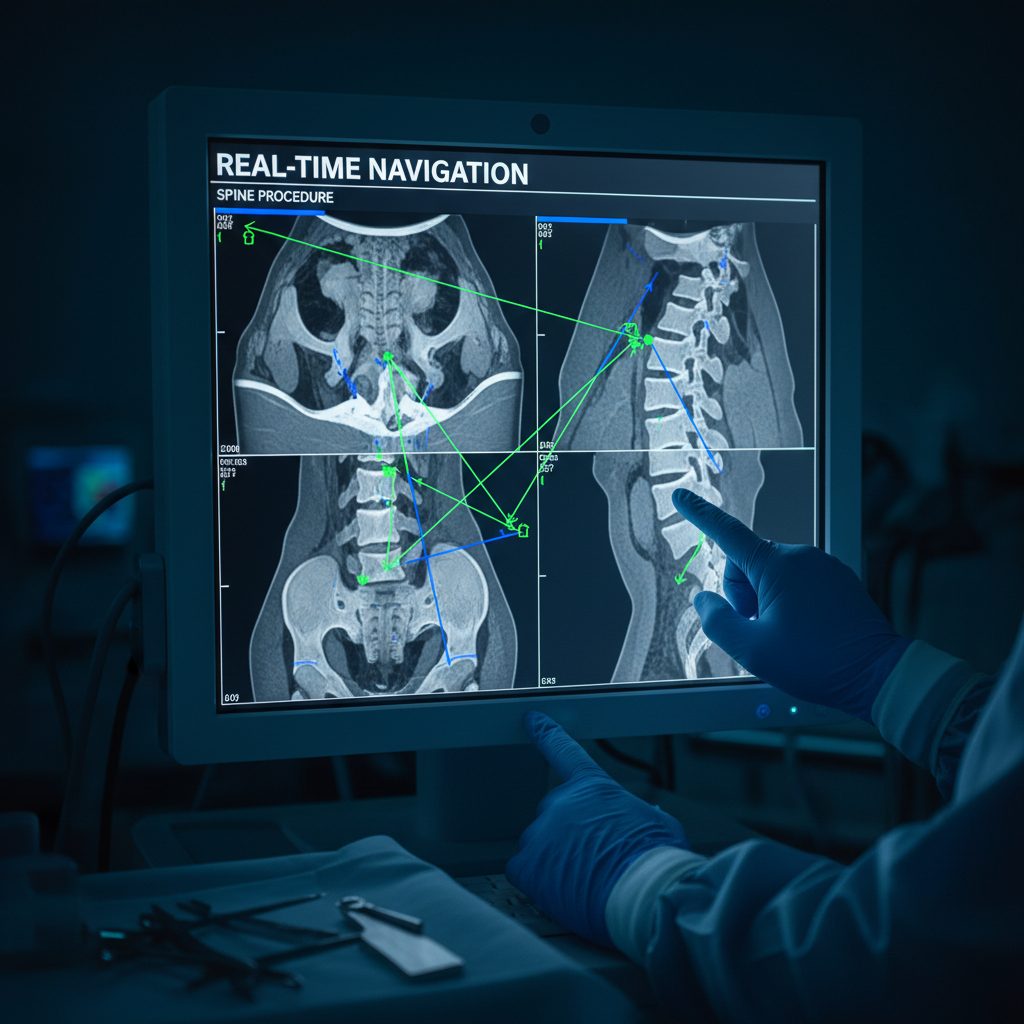
Understanding the Impact of Specialty Medical Devices on Modern Healthcare


In the rapidly evolving landscape of healthcare, specialty medical devices play a crucial role in enhancing patient care and outcomes. These devices, designed for specific medical applications, have transformed the way healthcare professionals diagnose, treat, and manage various conditions. Understanding their impact is essential for grasping the future direction of modern healthcare.
Specialty medical devices come in various forms, from advanced diagnostic tools to sophisticated therapeutic equipment. They are designed to meet the needs of specific patient populations or medical conditions, offering a level of precision and customization that general medical devices may lack. This tailored approach often results in more effective treatments and improved patient experiences.
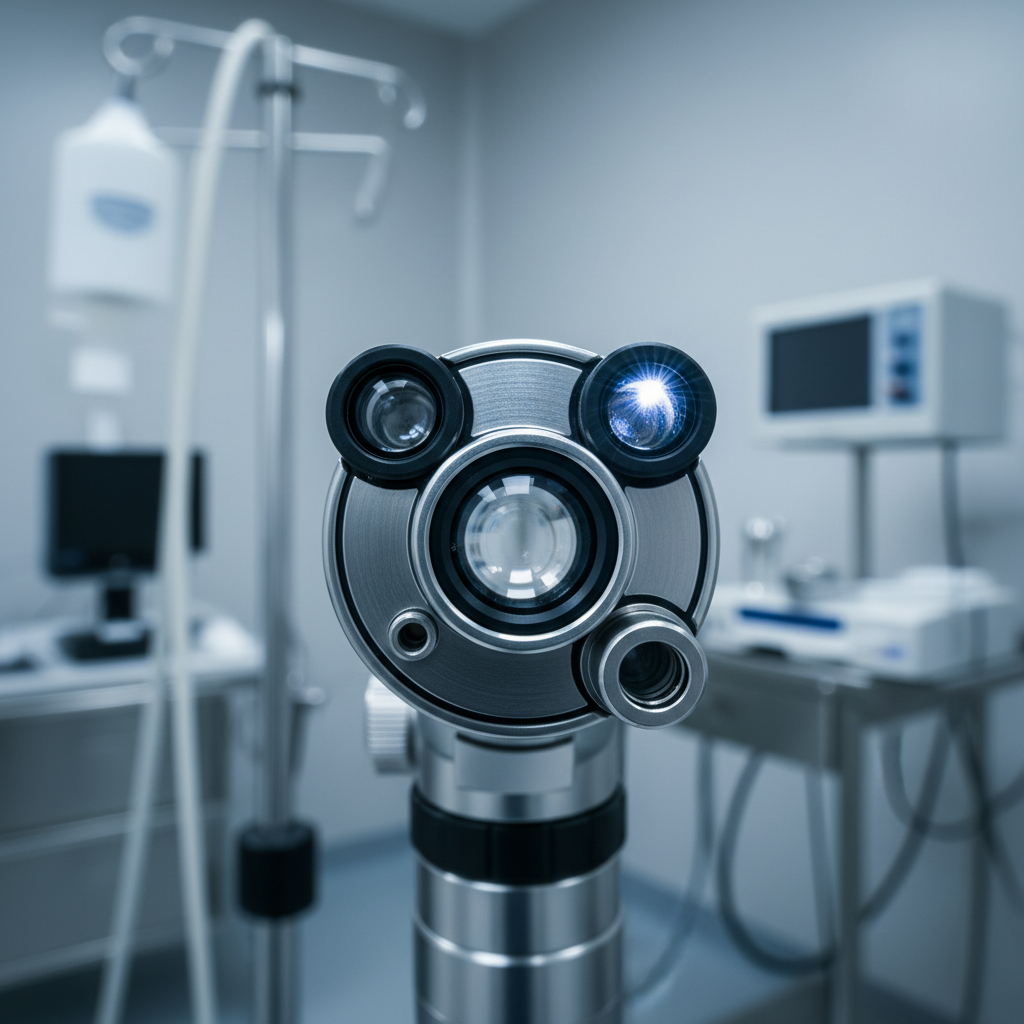
The Role of Technology in Specialty Medical Devices
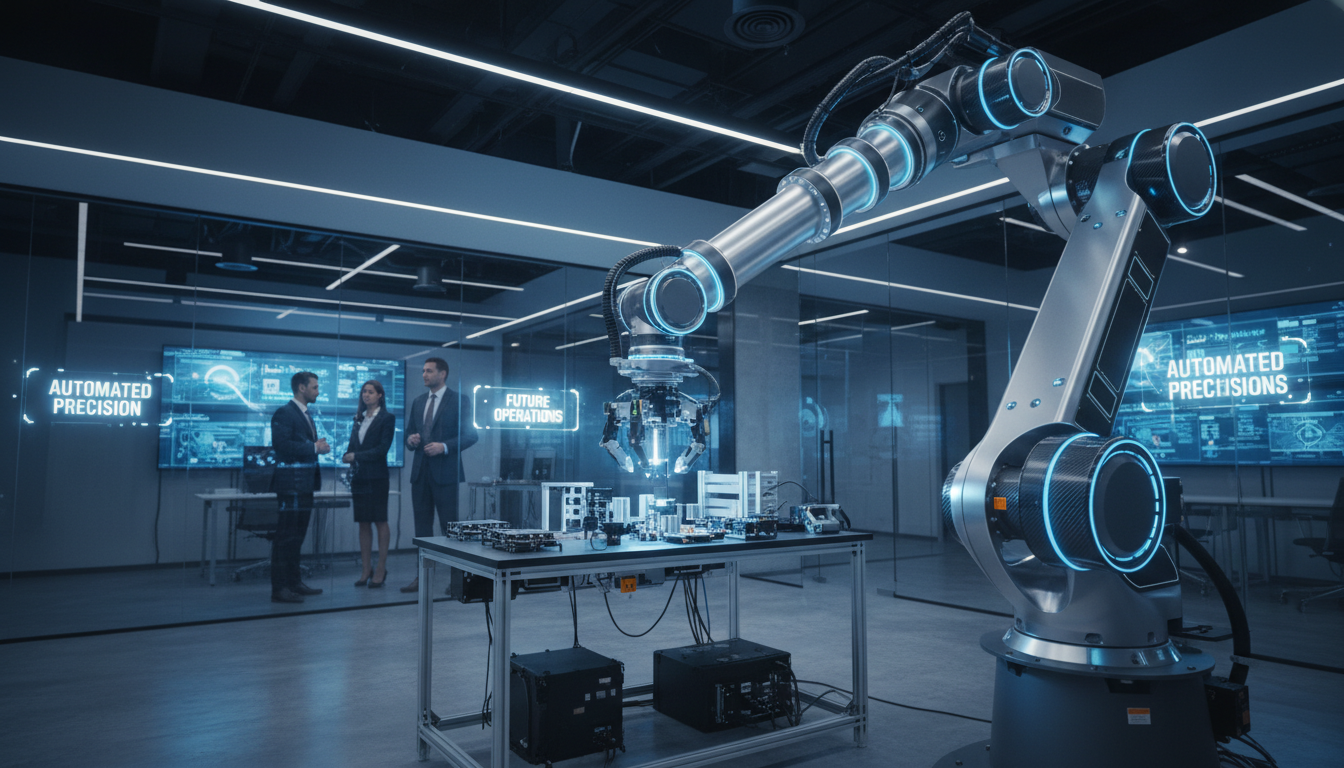
Advancements in technology have been a driving force behind the development of specialty medical devices. Innovations in areas such as robotics, artificial intelligence, and nanotechnology have paved the way for devices that can perform complex tasks with high precision. For instance, robotic surgical systems allow surgeons to perform minimally invasive procedures with enhanced dexterity and control.
Artificial intelligence is another game-changer in this field. AI-powered devices can analyze vast amounts of data to provide insights that aid in early diagnosis and personalized treatment plans. This not only improves patient outcomes but also helps in optimizing healthcare resources.
Improving Patient Outcomes
One of the primary impacts of specialty medical devices is their ability to improve patient outcomes. By offering precise and targeted interventions, these devices reduce the risk of complications and enhance recovery times. For example, implantable cardioverter-defibrillators (ICDs) are lifesaving devices for patients with heart arrhythmias, providing timely intervention to prevent cardiac arrest.
Moreover, specialty devices often lead to less invasive procedures, which means reduced hospital stays and lower healthcare costs. Patients benefit from less discomfort and quicker returns to their daily lives, contributing to an overall better quality of life.

Challenges and Considerations
Despite their benefits, specialty medical devices come with challenges that must be addressed. Regulatory approvals can be complex and time-consuming, as these devices must meet strict safety and efficacy standards. Additionally, the high cost of development and production can make these devices expensive, limiting accessibility for some patients.
Healthcare providers and policymakers must work together to ensure that the benefits of these devices are accessible to all who need them. This includes developing strategies to reduce costs and streamline regulatory processes without compromising patient safety.
The Future of Specialty Medical Devices
The future of specialty medical devices is promising, with continuous advancements on the horizon. Emerging technologies such as 3D printing and biocompatible materials are expected to revolutionize device customization and patient-specific solutions. These innovations could lead to more efficient manufacturing processes and reduced costs.
As the healthcare industry continues to evolve, specialty medical devices will undoubtedly play a pivotal role in shaping its future. Their ability to provide personalized care and improve patient outcomes makes them indispensable in modern healthcare.