
Understanding Specialty Medical Devices: A Comprehensive Guide


What Are Specialty Medical Devices?
Specialty medical devices are advanced tools used in healthcare to diagnose, monitor, and treat complex medical conditions. Unlike standard medical equipment, these devices are designed for specific applications and often require specialized training to operate. They play a crucial role in enhancing patient care and improving outcomes.
From sophisticated imaging machines to innovative surgical instruments, these devices cater to various medical fields, including cardiology, neurology, and orthopedics. Understanding their functionality and application can help healthcare providers offer precise and efficient treatment.
Types of Specialty Medical Devices
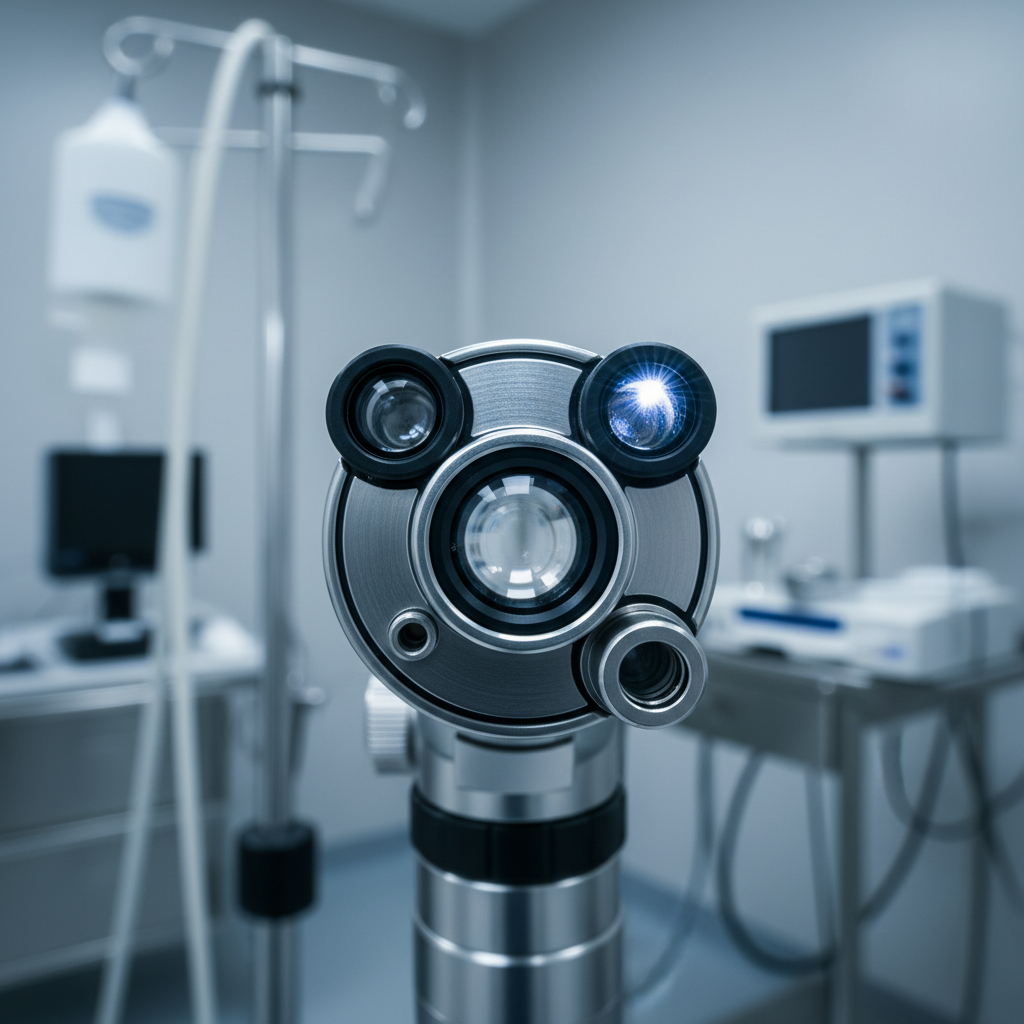
Specialty medical devices can be categorized into numerous types based on their functionality and the medical field they serve. Some common categories include:
- Diagnostic Devices: These include MRI machines, CT scanners, and ultrasound devices used to detect and diagnose medical conditions.
- Therapeutic Devices: Devices such as pacemakers, infusion pumps, and dialysis machines that aid in treating specific health issues.
- Surgical Instruments: Specialized tools designed for complex surgical procedures, including robotic surgery systems.
The Importance of Specialty Medical Devices
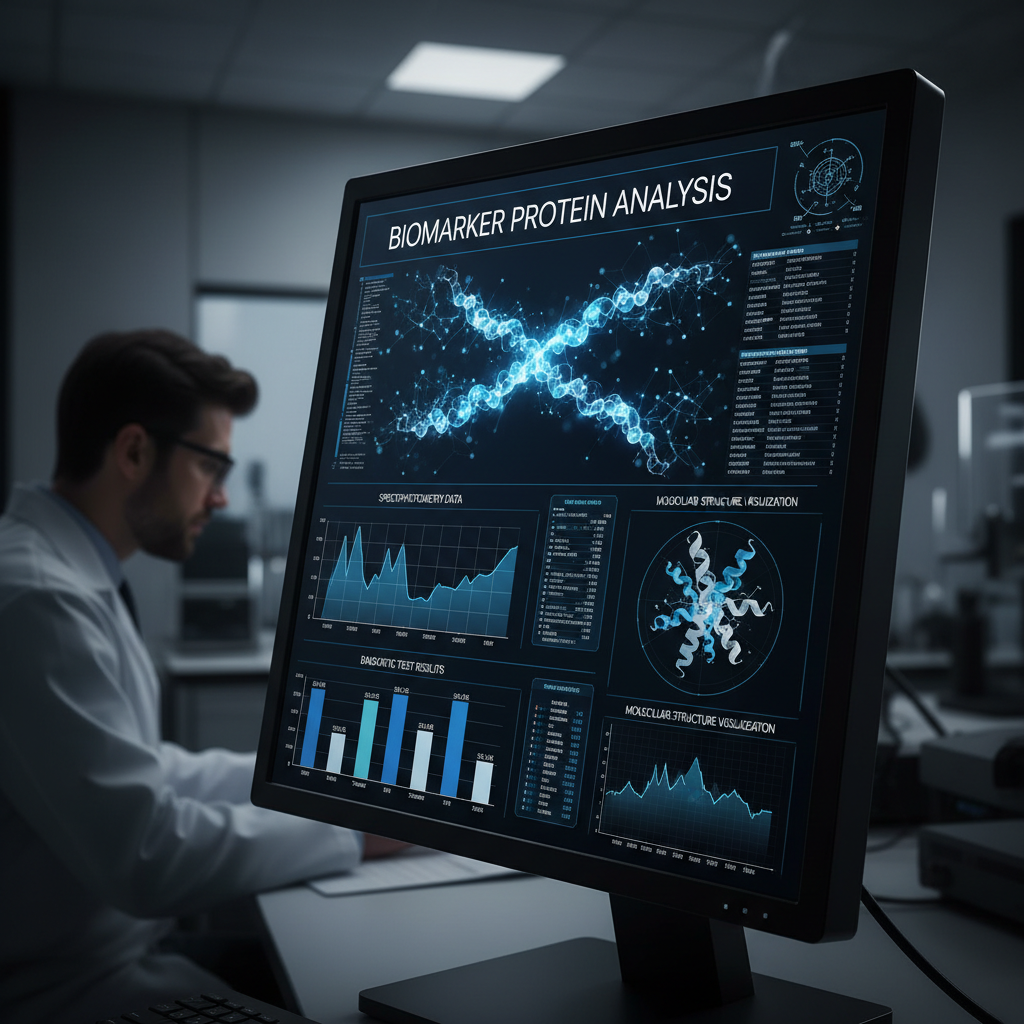
Specialty medical devices are integral to modern healthcare. They provide accurate diagnostics, enable minimally invasive surgeries, and support continuous monitoring of patients. By leveraging these devices, healthcare providers can offer personalized treatment plans tailored to individual patient needs.
Moreover, these devices contribute to reducing hospital stays and improving recovery times, ultimately enhancing the quality of life for patients. As technology advances, the capabilities and efficiency of specialty medical devices continue to evolve, promising even greater benefits.
Challenges and Considerations
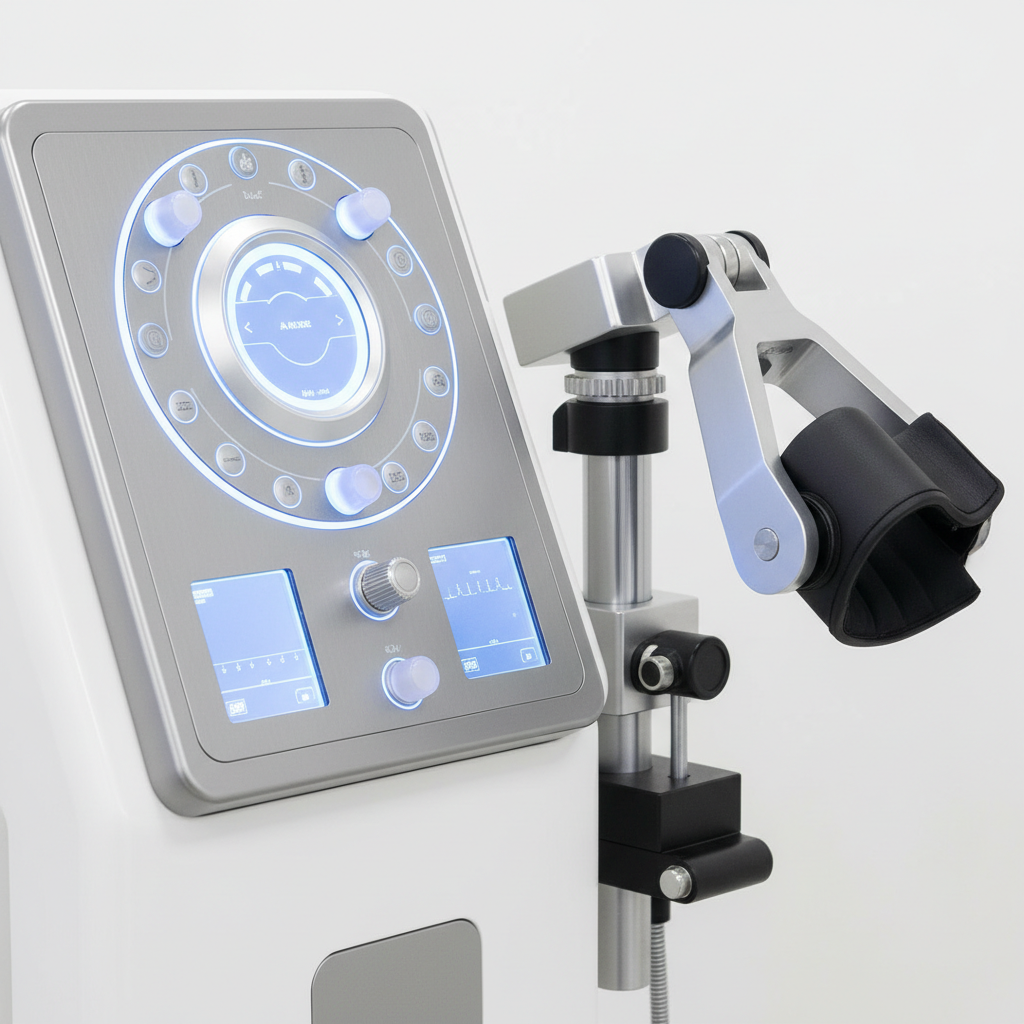
While specialty medical devices offer numerous advantages, they also present challenges. High costs, regulatory compliance, and the need for specialized training are some of the barriers faced by healthcare facilities when adopting these devices.
Additionally, integrating new technology within existing healthcare systems requires careful planning and coordination. Ensuring that healthcare professionals are adequately trained to use these devices is essential for maximizing their benefits and ensuring patient safety.
Future Trends in Specialty Medical Devices
The future of specialty medical devices is promising, with innovations such as artificial intelligence, machine learning, and 3D printing leading the way. These technologies are set to revolutionize the design and functionality of medical devices, making them more accessible and efficient.
As the healthcare industry continues to embrace digital transformation, the integration of smart devices and wearable technology is expected to become more prevalent, offering real-time data and insights for proactive patient care.