
Top Trends in Specialty Medical Devices: Innovations Shaping the Future


Introduction to Specialty Medical Devices
The world of specialty medical devices is evolving at a rapid pace, driven by technological advancements and the increasing demand for personalized healthcare solutions. These innovations are not only improving patient outcomes but also transforming how healthcare professionals deliver care.
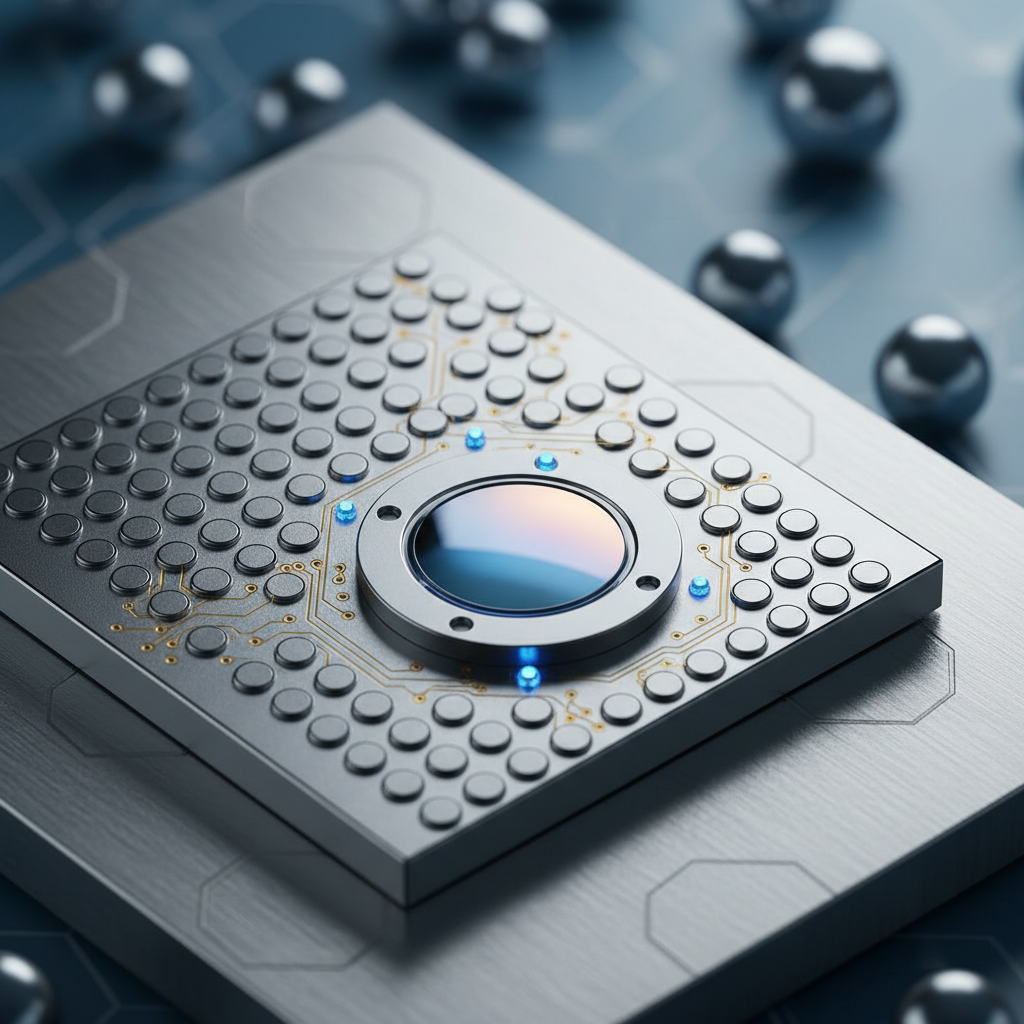
Wearable Technology: A Game Changer
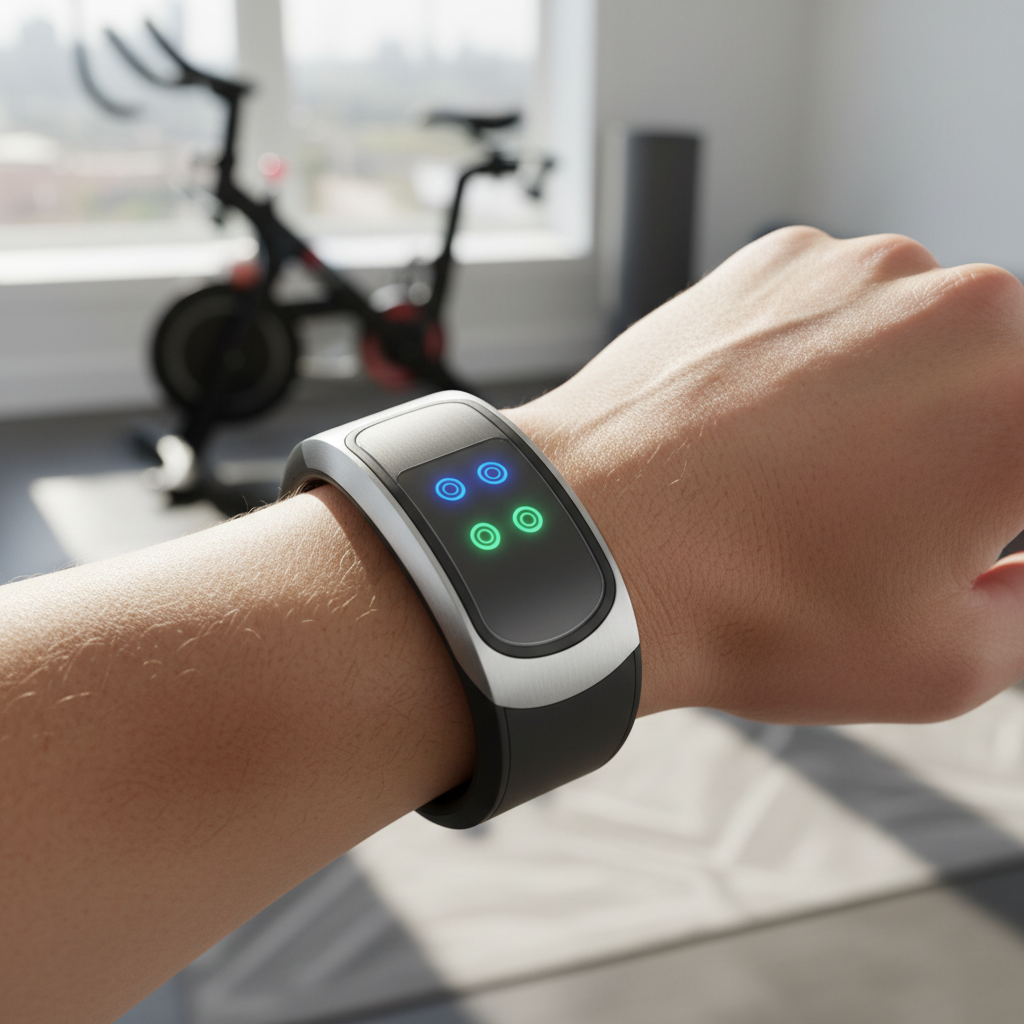
Wearable technology has become a cornerstone of modern healthcare. Devices such as smartwatches and fitness trackers are now equipped with advanced sensors that monitor vital signs, detect irregularities, and provide real-time feedback. This trend is empowering patients to take control of their health and enabling doctors to make data-driven decisions.
Continuous Monitoring
Continuous monitoring devices are particularly beneficial for managing chronic conditions like diabetes and hypertension. These devices can track blood glucose levels or blood pressure continuously, ensuring timely interventions when necessary.
3D Printing: Customization at Its Best
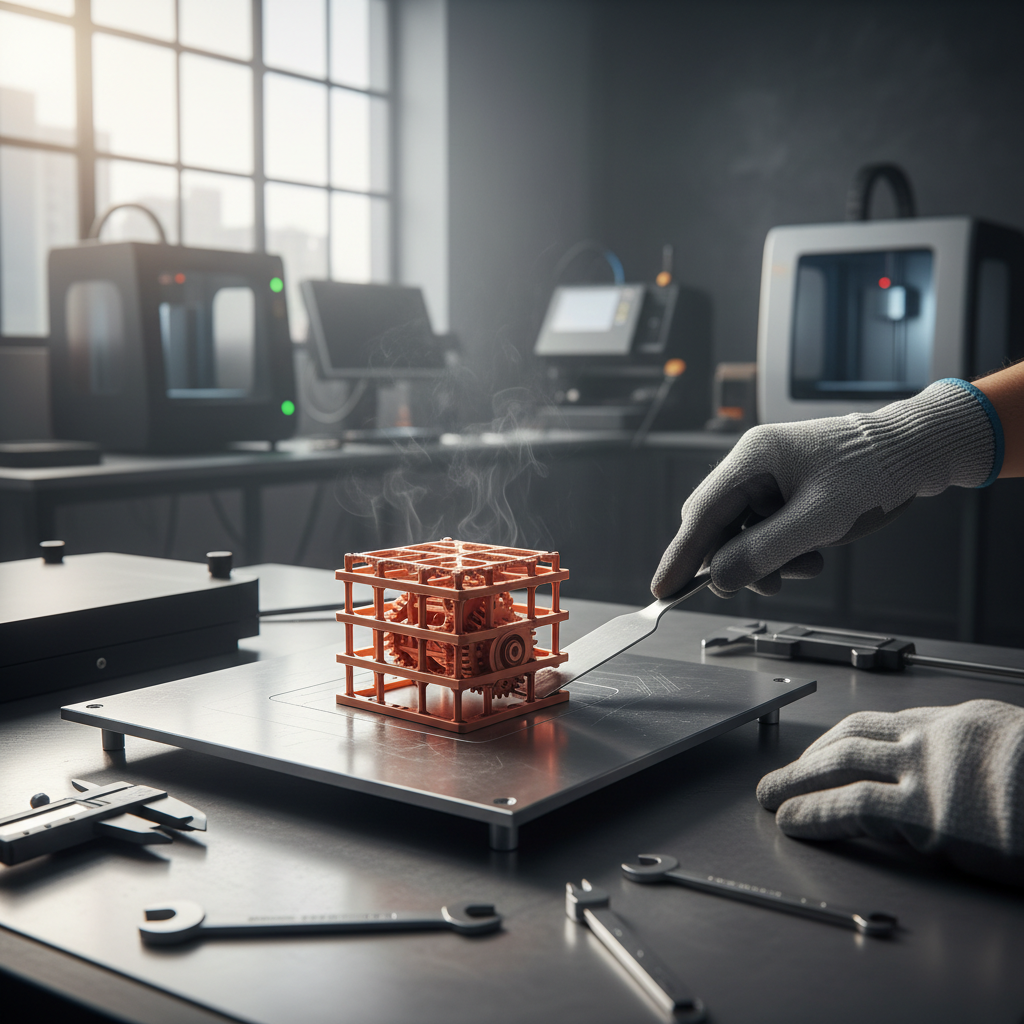
The advent of 3D printing technology has revolutionized the production of medical devices. This innovation allows for the creation of highly customized implants and prosthetics, tailored to fit the unique anatomy of each patient. This level of personalization improves comfort and functionality, leading to better patient satisfaction.
Cost-Effective Solutions
3D printing is also reducing the cost of manufacturing complex devices, making healthcare more accessible. This cost-effectiveness is particularly beneficial in developing regions where access to traditional manufacturing is limited.
Telemedicine: Bridging the Gap
Telemedicine has gained immense popularity, especially in the wake of the COVID-19 pandemic. It enables remote consultations, reducing the need for in-person visits and increasing access to healthcare services for patients in remote areas.
Integration with Medical Devices
Integrating telemedicine with specialty medical devices provides a comprehensive healthcare solution. Patients can use devices at home to monitor their health, while doctors can access this data remotely to provide timely advice and interventions.

Artificial Intelligence: Enhancing Diagnostics
Artificial Intelligence (AI) is playing a pivotal role in enhancing diagnostic capabilities. AI algorithms can analyze vast amounts of data quickly and accurately, identifying patterns that might be missed by the human eye. This capability is particularly useful in fields like radiology and pathology.
Predictive Analytics
AI-driven predictive analytics can forecast potential health issues, allowing for preventive measures. This proactive approach is shifting the focus from reactive to preventive healthcare, significantly improving patient outcomes.
Conclusion
The trends in specialty medical devices are reshaping the healthcare landscape, offering innovative solutions that improve both access to and quality of care. As technology continues to advance, the potential for these devices to enhance patient lives and streamline healthcare delivery is immense.