
Top Innovations in Healthcare Equipment Distribution: Trends to Watch


Introduction to Innovations in Healthcare Equipment Distribution
The healthcare industry is undergoing a significant transformation, driven by technological advancements and innovative distribution strategies. As healthcare providers strive to improve patient outcomes and reduce costs, the focus on efficient equipment distribution has become more critical than ever. This post explores the top innovations in healthcare equipment distribution and highlights key trends to watch in the coming years.
Digital Supply Chain Management
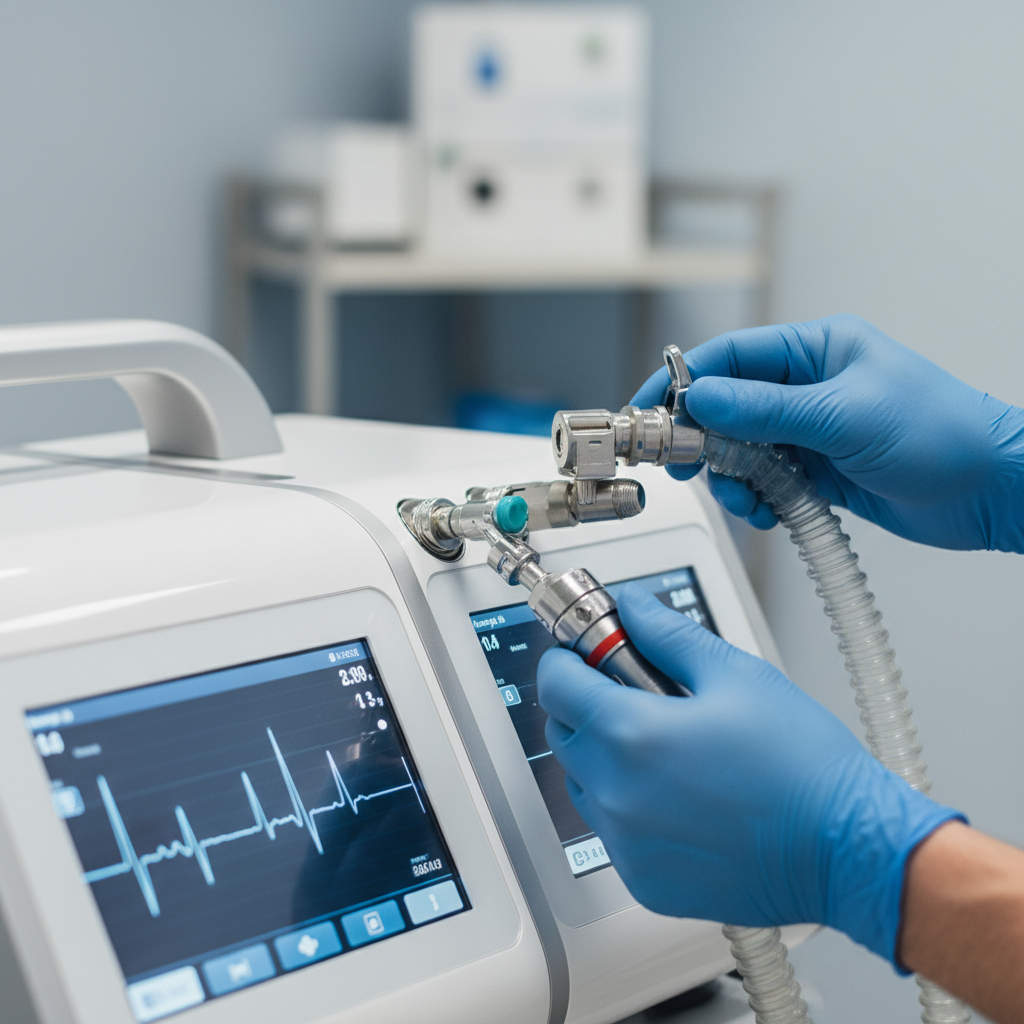
One of the most notable innovations in healthcare equipment distribution is the implementation of digital supply chain management systems. These systems leverage advanced technologies such as IoT, AI, and blockchain to enhance transparency, efficiency, and accuracy in the distribution process. With real-time tracking and automated inventory management, healthcare providers can ensure that equipment is delivered promptly and in optimal condition.
Blockchain for Enhanced Transparency
Blockchain technology is playing a crucial role in improving transparency and traceability in the supply chain. By creating a decentralized ledger, blockchain allows all stakeholders to access real-time data on equipment location, status, and handling. This technology not only enhances trust among partners but also reduces the risk of fraud and errors.

Robotics and Automation
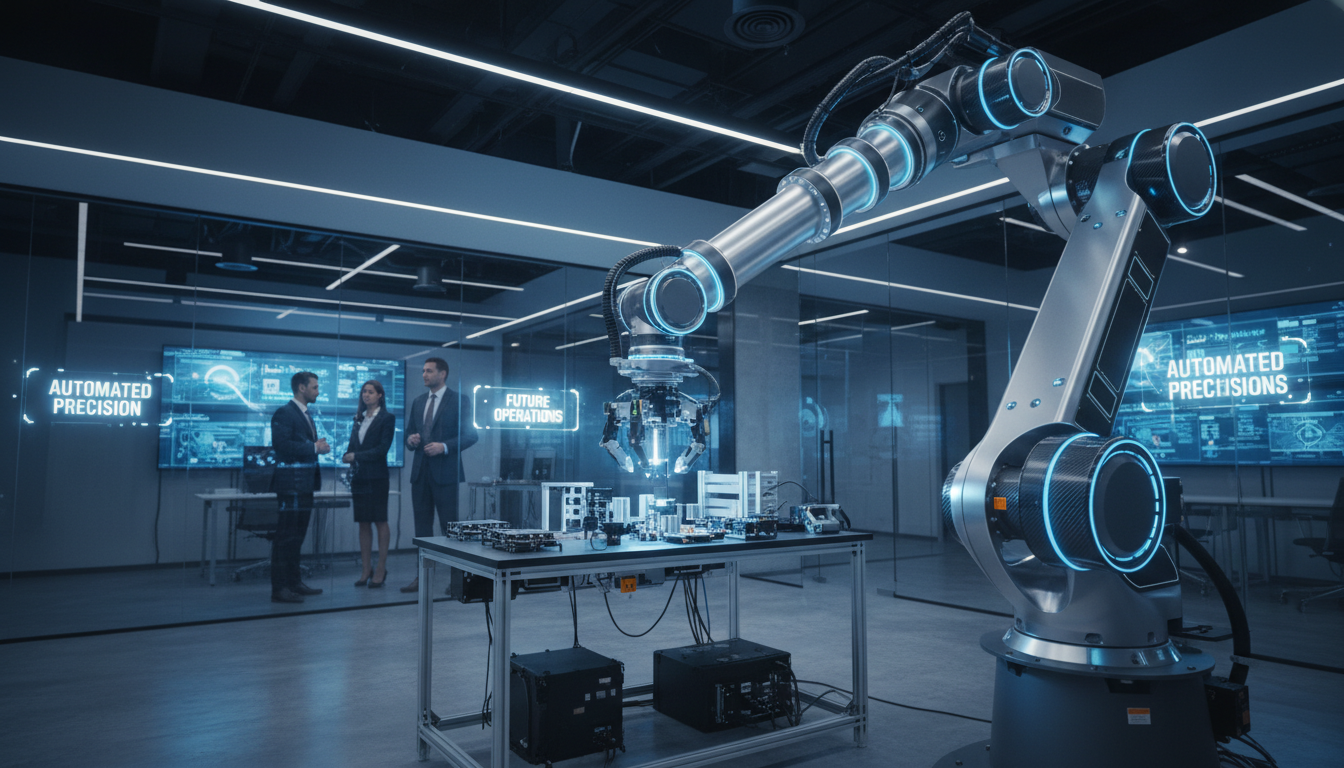
Robotics and automation are revolutionizing the way healthcare equipment is distributed. Automated warehouses and robotic picking systems streamline operations, reducing human error and labor costs. These technologies enable faster order fulfillment and ensure that equipment is available when needed, ultimately improving patient care.
Automated Guided Vehicles (AGVs)
Automated Guided Vehicles (AGVs) are increasingly being used in healthcare logistics to transport equipment within facilities. These vehicles navigate through predefined paths, efficiently moving supplies from storage to various departments. AGVs not only increase efficiency but also free up staff to focus on patient care.
Telemedicine and Remote Monitoring
The rise of telemedicine and remote monitoring has created new demands for healthcare equipment distribution. As more patients receive care at home, the need for efficient delivery of medical devices and equipment has grown. Companies are developing specialized logistics solutions to ensure that home care patients receive timely and reliable access to necessary equipment.
Last-Mile Delivery Solutions
To address the challenges of delivering equipment to patients' homes, healthcare providers are investing in last-mile delivery solutions. These solutions focus on optimizing routes, scheduling deliveries, and ensuring that equipment reaches patients quickly and safely. Innovations in this area are crucial for maintaining the quality of home healthcare services.

Conclusion
The landscape of healthcare equipment distribution is rapidly evolving, with innovations driving increased efficiency, transparency, and patient satisfaction. As digital supply chains, robotics, and telemedicine continue to advance, healthcare providers must adapt to these changes to remain competitive. By embracing these trends, the industry can ensure better outcomes for patients while optimizing operational costs.