
The Benefits of Specialty Medical Devices: Improving Patient Outcomes


Understanding Specialty Medical Devices
Specialty medical devices are designed to address specific health conditions, offering targeted solutions that standard medical equipment may not provide. These devices range from advanced diagnostic tools to personalized treatment options, significantly enhancing the quality of healthcare.
Enhancing Diagnostic Accuracy
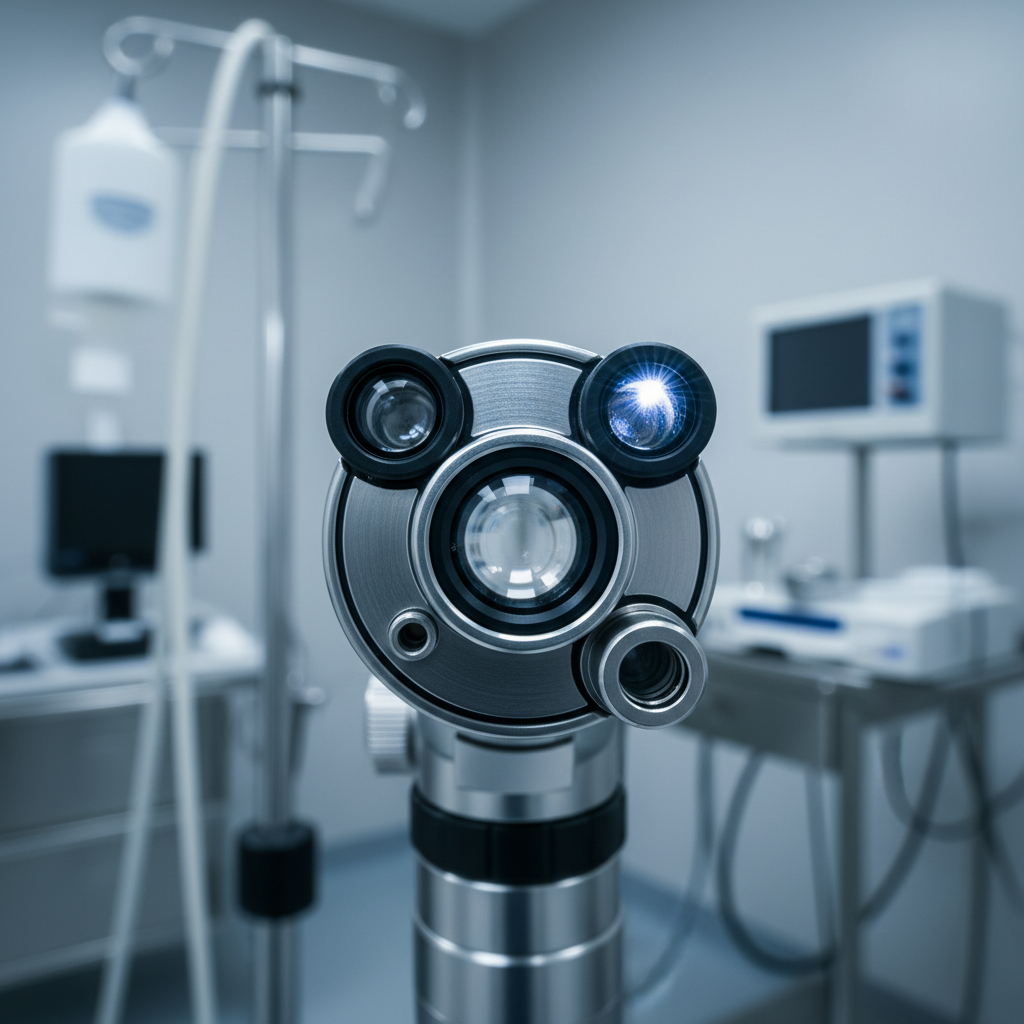
One of the primary benefits of specialty medical devices is their ability to improve diagnostic accuracy. Devices such as high-resolution imaging scanners and portable monitoring systems enable healthcare professionals to detect conditions with greater precision, leading to timely and effective treatment plans.
With advanced technology, these devices can identify anomalies at an earlier stage, allowing for proactive management of diseases. This not only improves patient outcomes but also reduces the overall cost of healthcare by preventing complications.
Personalized Treatment Options
Specialty medical devices play a crucial role in providing personalized treatment options tailored to individual patient needs. Devices like insulin pumps, customized prosthetics, and advanced surgical instruments ensure that treatments are more effective and aligned with the patient's specific health requirements.

Improving Patient Comfort and Convenience
In addition to enhancing treatment efficacy, specialty medical devices also focus on improving patient comfort and convenience. Portable devices and wearable technology allow patients to manage their health conditions more independently, reducing the need for frequent hospital visits.
For example, home dialysis machines and remote monitoring devices enable patients to receive care in the comfort of their homes, greatly enhancing their quality of life.
Reducing Recovery Times
The use of specialty medical devices often leads to reduced recovery times. Minimally invasive surgical tools and advanced wound care products are designed to minimize trauma and accelerate the healing process, allowing patients to resume their daily activities sooner.

Cost-Effectiveness in Healthcare
Although specialty medical devices may have a higher initial cost, they often prove to be cost-effective in the long run. By improving diagnosis, enhancing treatment efficacy, and reducing recovery times, these devices contribute to lower overall healthcare expenses.
Healthcare providers can optimize resources and improve patient throughput, ultimately leading to more sustainable healthcare systems.
Conclusion
Specialty medical devices are revolutionizing the healthcare industry by offering innovative solutions that improve patient outcomes. From enhancing diagnostic accuracy to providing personalized treatment and reducing recovery times, these devices are crucial in delivering high-quality, efficient care.
As technology continues to advance, the role of specialty medical devices in healthcare is set to become even more significant, paving the way for a healthier future.