
Navigating Miami's Regulations for Specialty Medical Devices


When it comes to launching specialty medical devices in Miami, understanding the local regulations is crucial. This city, known for its vibrant healthcare scene, has specific guidelines that manufacturers and distributors must follow to ensure compliance and safety. Navigating these regulations can be complex, but with the right knowledge, it becomes manageable.

Understanding Miami’s Regulatory Landscape
Miami’s regulations for medical devices align closely with federal guidelines set by the FDA. However, local nuances can impact how these devices are marketed and sold. It’s essential for companies to familiarize themselves with both state and city-specific requirements to avoid potential pitfalls.
One of the first steps is to ensure your device meets the FDA’s classification standards. Devices are categorized based on their intended use and the risk involved. Class I devices have the lowest risk, while Class III devices pose the highest risk and require premarket approval.
Licensing and Permits
Obtaining the proper licenses and permits is a critical step in the process. In Miami, businesses must register their devices with the Florida Department of Health. Additionally, companies may need to acquire local business licenses and adhere to zoning laws that regulate where medical devices can be manufactured and sold.

Failure to obtain the necessary permits can lead to fines and legal issues, so it’s advisable to consult with a legal expert familiar with Miami’s healthcare regulations. They can provide guidance on the specific permits required for your product.
Quality Assurance and Safety Standards
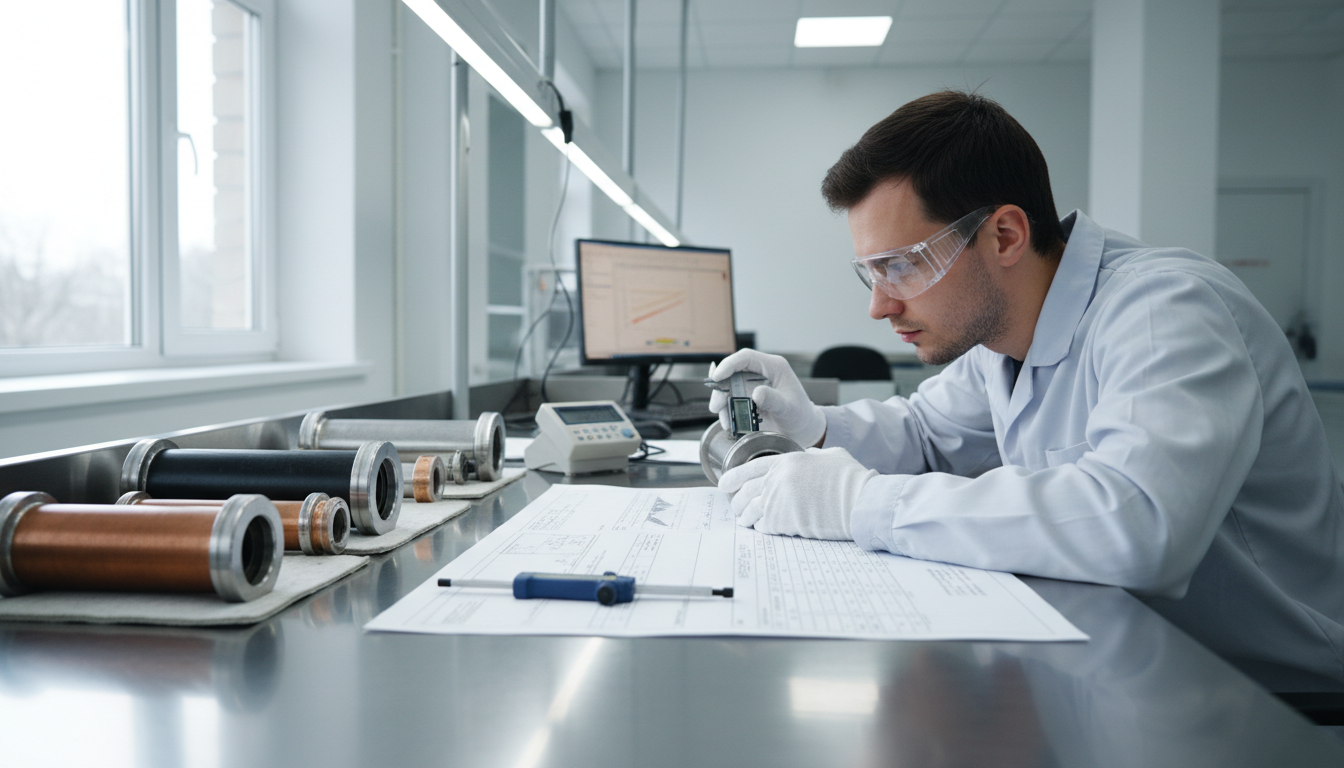
Adhering to quality assurance and safety standards is non-negotiable. Miami follows stringent guidelines to ensure all medical devices meet high safety and performance standards. This includes maintaining detailed records and documentation to demonstrate compliance.
Manufacturers should implement robust quality management systems that align with ISO standards. Regular audits and inspections by regulatory bodies are common, so being prepared with comprehensive documentation is essential.
Marketing and Distribution Considerations
Once regulatory compliance is secured, the focus shifts to marketing and distribution. In Miami, medical devices can be marketed directly to healthcare providers or through partnerships with local distributors. Understanding the market dynamics and establishing relationships with local healthcare facilities can be advantageous.
It’s also important to be aware of advertising regulations. Claims about the device’s effectiveness and benefits must be substantiated with scientific evidence. Misleading claims can lead to regulatory action and damage your brand’s reputation.
Staying Updated with Regulatory Changes
The regulatory environment in Miami, as in many places, is subject to change. Staying informed about new regulations and updates is crucial for ongoing compliance. Participating in industry forums and subscribing to regulatory updates can help keep you in the loop.
By keeping abreast of changes, companies can adapt quickly and continue to operate smoothly within the regulatory framework, ensuring their specialty medical devices remain available to those who need them.