
Myths and Facts About Equipment Sterilization Services


Understanding Equipment Sterilization
Equipment sterilization is a critical process in many industries, especially healthcare and food services. Despite its importance, several myths persist that can lead to misunderstandings or improper practices. This post aims to dispel these myths and present the facts about equipment sterilization services.
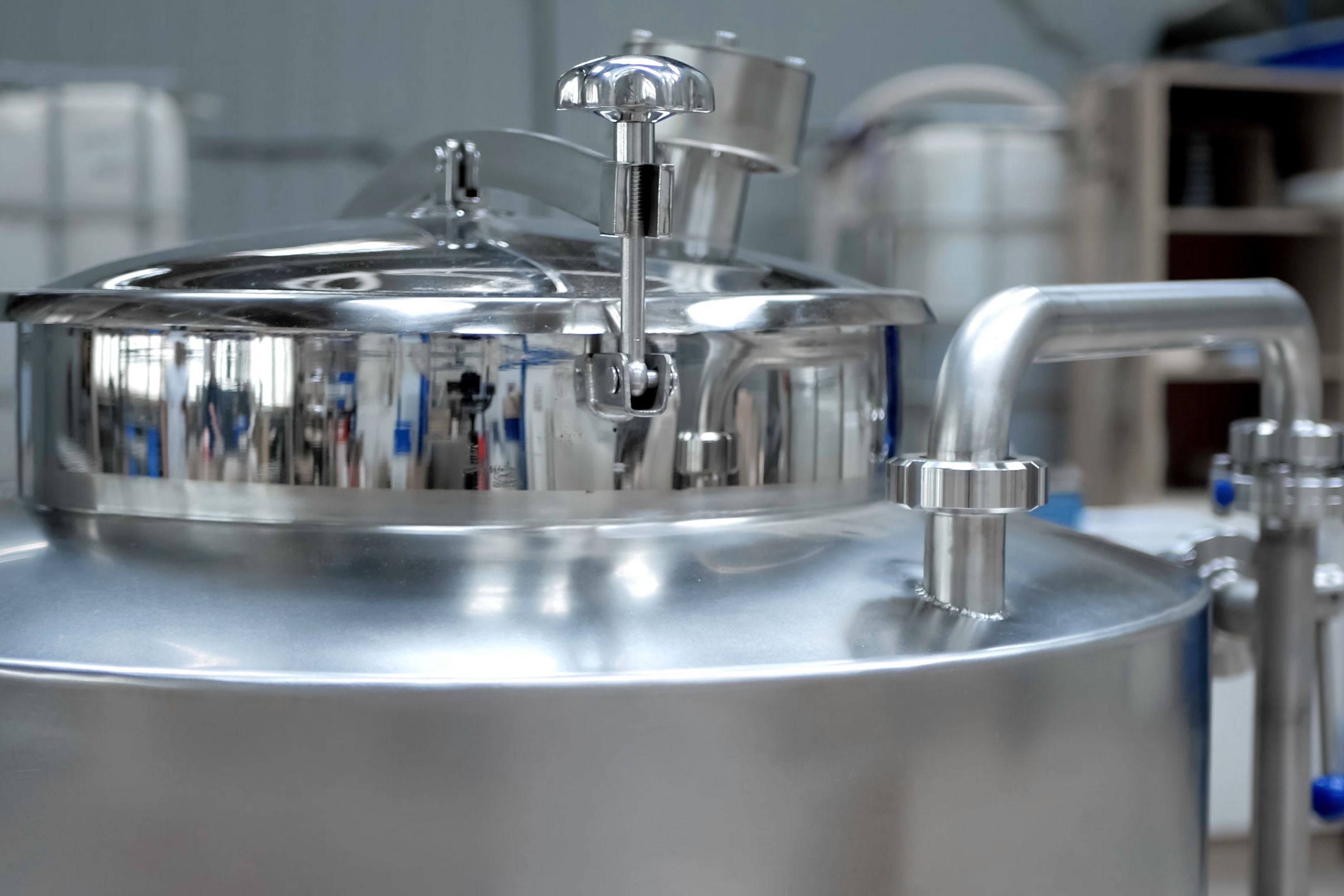
Myth: Sterilization Kills All Bacteria Instantly
One common myth is that sterilization kills all bacteria instantly. In reality, while sterilization is highly effective at eliminating microorganisms, the process requires specific conditions such as temperature, time, and pressure to achieve complete sterilization. It's not an instantaneous miracle but a well-calibrated procedure.
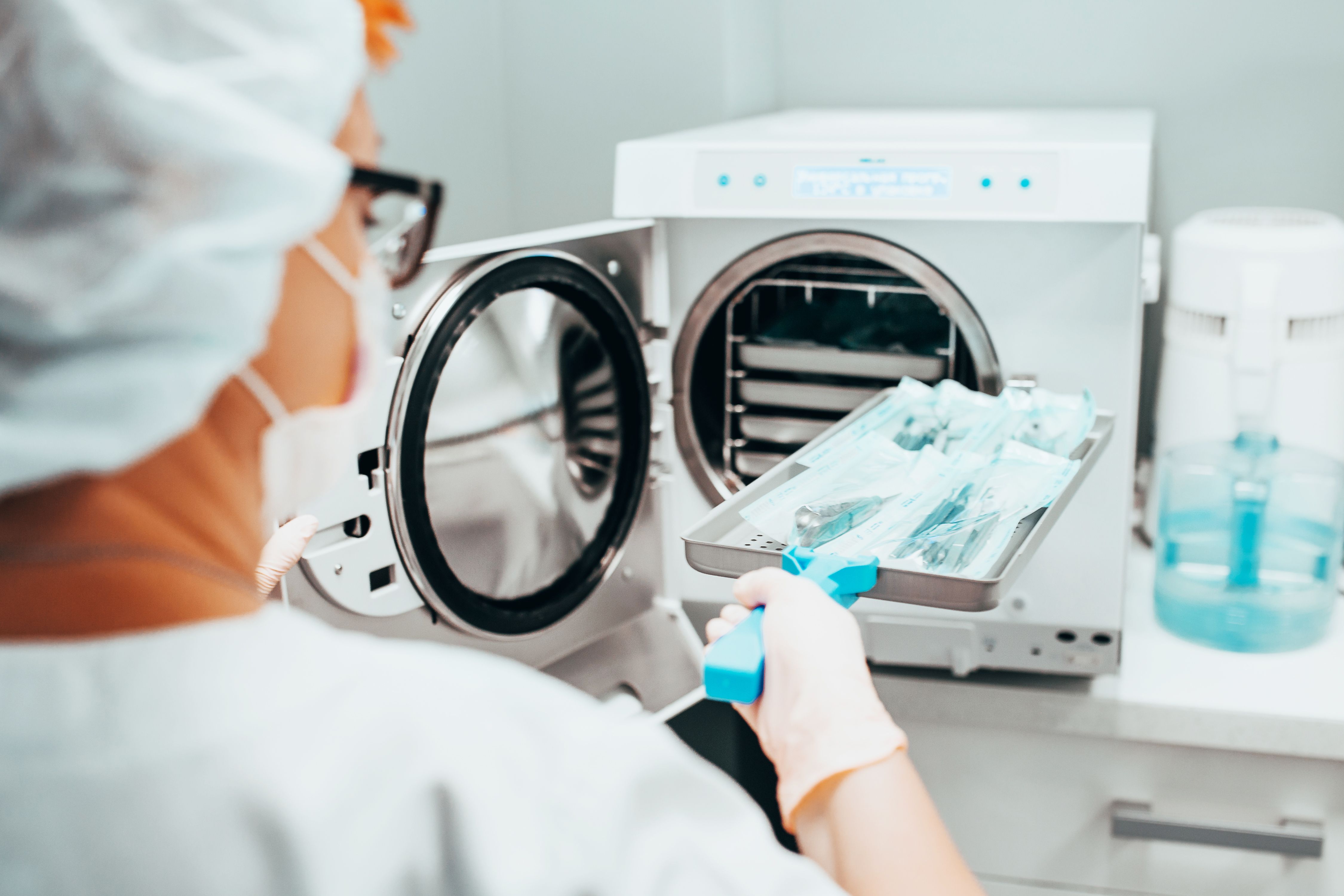
For example, autoclaves, which are commonly used in medical settings, rely on steam under pressure to achieve sterilization. This process typically requires at least 15-20 minutes to be effective.
Fact: Different Methods Suit Different Equipment
Not all sterilization methods are suitable for every type of equipment. Some devices may be sensitive to heat or moisture, requiring alternative methods like gas or chemical sterilization. Understanding the material and purpose of the equipment is crucial in selecting the appropriate method.
- Autoclaving: Best for metal instruments.
- Ethylene Oxide Gas: Suitable for heat-sensitive items.
- Dry Heat: Ideal for moisture-sensitive equipment.
Myth: Sterilization and Disinfection Are the Same
Another common misconception is that sterilization and disinfection are interchangeable. While both aim to reduce the risk of infection, they are distinct processes. Sterilization eliminates all forms of microbial life, including spores. Disinfection, on the other hand, reduces the number of pathogens to a safe level but does not eliminate all microorganisms.
Fact: Regular Maintenance Is Essential
To ensure the effectiveness of sterilization equipment, regular maintenance and calibration are essential. This includes checking seals, gauges, and other components to ensure they function correctly. Ignoring maintenance can lead to equipment failures and inadequate sterilization.
Maintenance schedules should be followed as recommended by the manufacturer, and any issues should be addressed promptly to ensure that all equipment is reliably sterilized.

Myth: All Sterilization Equipment Is Expensive
While some high-end sterilization units can be costly, there are also budget-friendly options available that do not compromise on quality. Many manufacturers offer a range of products to suit different budgets without sacrificing efficiency or safety.
Investing in proper sterilization equipment is a crucial part of ensuring safety and compliance in any industry reliant on sterile environments.
Conclusion
Understanding the myths and facts about equipment sterilization is essential for making informed decisions. By choosing the right methods and maintaining equipment properly, businesses can ensure safety and compliance. Knowledge is a powerful tool in achieving the highest standards of cleanliness and safety.