
Myth-Busting: Common Misconceptions About Medical Devices for the Flu Season


Understanding Medical Devices for Flu Season
As flu season approaches, many people turn to various medical devices to manage symptoms and prevent the spread of the virus. However, there are several misconceptions about these devices that can lead to improper use or unrealistic expectations. In this post, we'll debunk some common myths to ensure you're well-informed this flu season.

Myth 1: All Masks Provide the Same Protection
A common misconception is that all masks offer equal protection against the flu virus. In reality, different masks serve different purposes. Surgical masks and N95 respirators provide varying levels of filtration and protection. While surgical masks can block large droplets, N95 respirators are designed to filter out smaller particles, offering a higher level of protection.
It's important to choose the right mask based on your specific needs and exposure risk. Regular cloth masks can be effective for general public use but may not offer the same filtration capabilities as medical-grade masks.
Myth 2: Thermometers Are Always Accurate
Another myth is that all thermometers give precise readings. Thermometers can vary in accuracy depending on the type and how they're used. Digital thermometers, infrared thermometers, and mercury thermometers all have their pros and cons. It's crucial to follow the manufacturer's instructions carefully to ensure the most accurate readings.
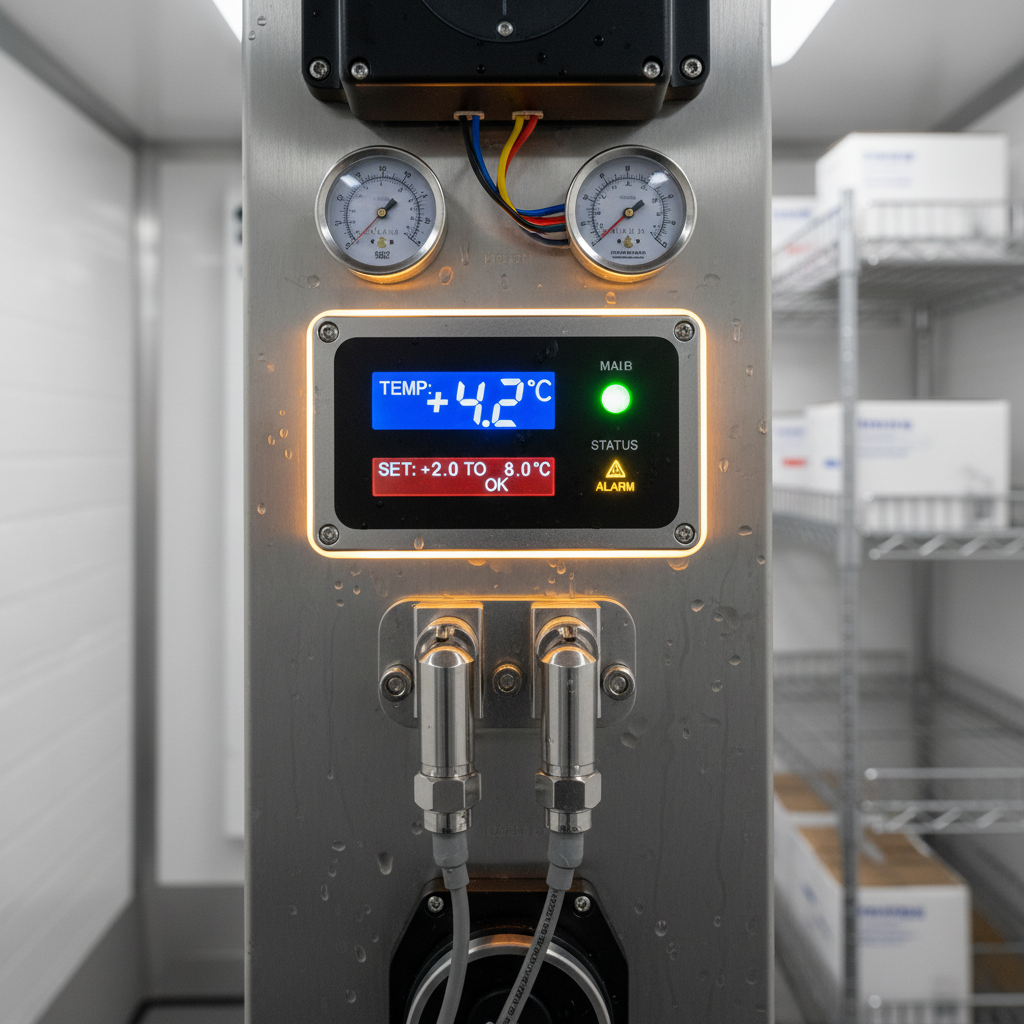
Understanding the proper placement and usage of the thermometer is key. For instance, taking a temperature reading in a drafty room or right after consuming hot beverages can skew results.
Myth 3: Hand Sanitizers Are a Complete Substitute for Handwashing
While hand sanitizers are a convenient way to reduce germs when soap and water are unavailable, they are not a complete substitute for thorough handwashing. Handwashing with soap and water is more effective at removing certain types of germs, including the flu virus.

It's recommended to use hand sanitizers with at least 60% alcohol content. However, when hands are visibly dirty or greasy, washing with soap and water is the best method to ensure cleanliness.
Myth 4: Humidifiers Stop the Flu Virus
Some believe that using a humidifier can stop the flu virus from spreading. While humidifiers can help ease symptoms by maintaining moisture in the air and soothing dry nasal passages, they do not kill the virus. Keeping humidity levels between 30% and 50% can reduce the spread of germs, but it's not a standalone solution.
Regular cleaning of humidifiers is essential to prevent mold and bacteria growth, which can exacerbate respiratory issues.
Conclusion: Making Informed Choices
Understanding the truth behind these common misconceptions allows you to make informed decisions about using medical devices during flu season. By choosing the right products and using them correctly, you can better protect yourself and others from the flu.

Stay informed and consult healthcare professionals for advice tailored to your personal health needs. With accurate information, you can navigate flu season more confidently and effectively.