
Innovative Trends in Specialty Medical Devices


Revolutionizing Healthcare with Specialty Medical Devices
In recent years, the specialty medical devices sector has witnessed remarkable advancements. These innovations are not just enhancing patient care but are also transforming the way healthcare professionals approach treatment. As technology continues to evolve, the integration of cutting-edge devices into medical practice is becoming increasingly essential.
One of the most significant impacts of these innovations is the improvement in diagnostic accuracy. Devices equipped with artificial intelligence (AI) and machine learning algorithms are now capable of analyzing complex data with unprecedented precision. This is particularly beneficial for early disease detection, allowing for timely intervention and better patient outcomes.
Wearable Health Tech: A Game Changer
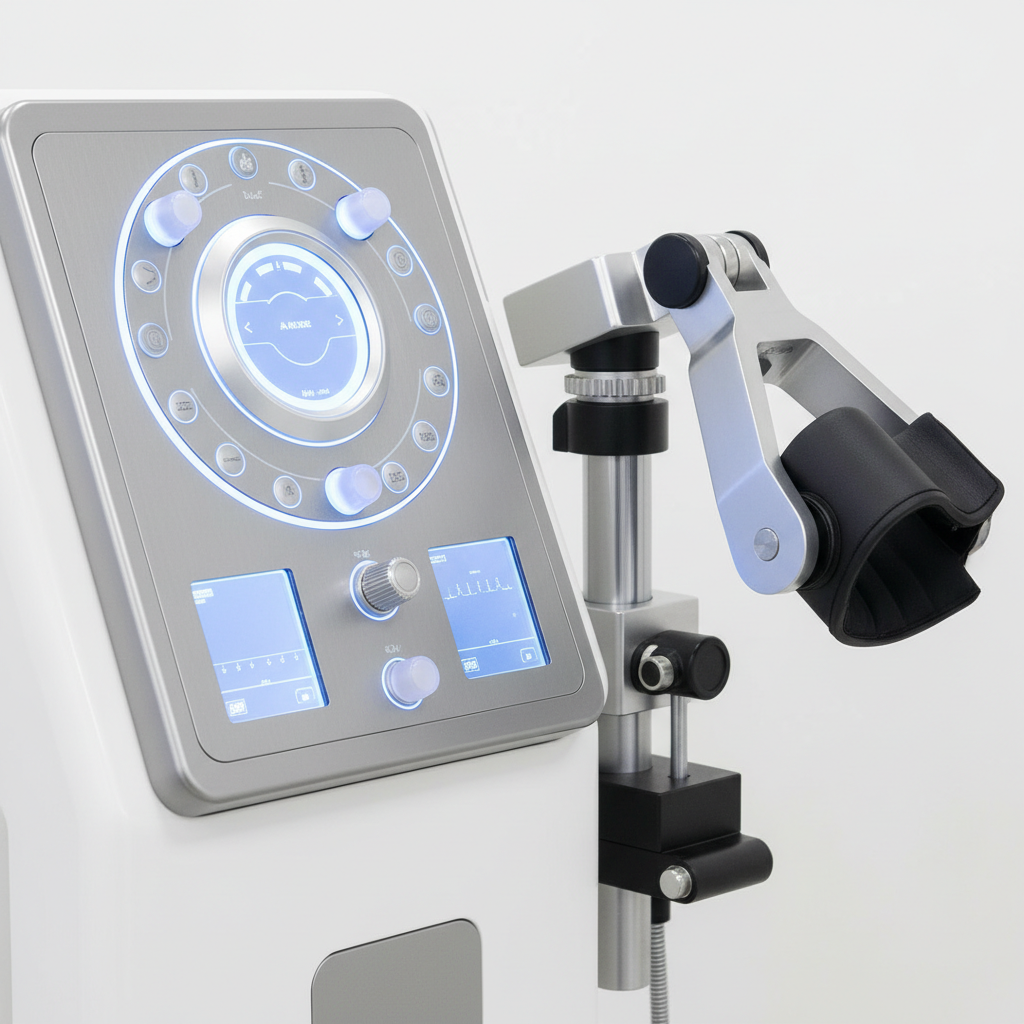
Wearable technology has emerged as a powerful tool in monitoring and managing health conditions. Devices like smartwatches and fitness trackers are no longer just lifestyle gadgets; they have become integral components of personalized healthcare. These wearables continuously collect data on vital signs, which can be used to detect anomalies and provide insights into a patient's health status.
The integration of these devices with telemedicine platforms further enhances their utility. Patients can now share real-time health data with their healthcare providers, facilitating remote monitoring and reducing the need for frequent in-person visits. This is particularly beneficial for managing chronic conditions, as it allows for more proactive care.

3D Printing: Customization and Cost Efficiency
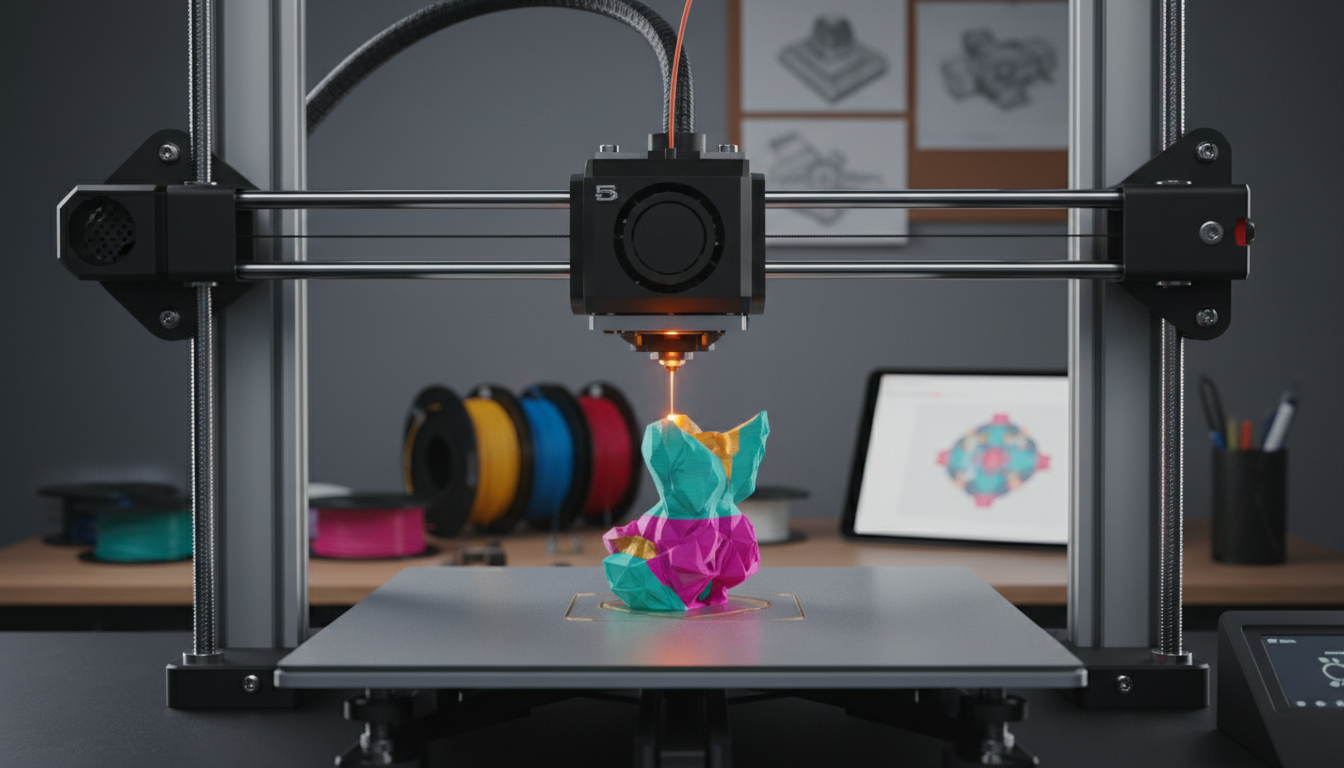
3D printing technology is revolutionizing the creation of medical devices by allowing for customization and reducing manufacturing costs. This technology enables the production of patient-specific implants and prosthetics, ensuring a perfect fit and improved functionality. Additionally, 3D printing is being used to create surgical instruments and even bioprinted tissues, opening new avenues in regenerative medicine.
The ability to rapidly prototype and produce devices tailored to individual needs not only enhances patient comfort but also reduces the time and resources required for traditional manufacturing processes. This customization is particularly advantageous for complex surgical procedures where precision is paramount.
Robotics in Surgery: Precision and Safety
Robotic-assisted surgery is another area where specialty medical devices are making a significant impact. These systems provide surgeons with enhanced dexterity and precision, enabling minimally invasive procedures that result in faster recovery times and reduced risk of complications. Robotic systems are being used across various specialties, including orthopedics, cardiology, and neurology.
As these technologies continue to develop, the potential for even more advanced surgical capabilities grows. Future innovations may include fully autonomous robotic systems capable of performing complex procedures with minimal human intervention.

The Future of Specialty Medical Devices
The future of specialty medical devices looks promising, with continuous innovations on the horizon. Advancements in AI, machine learning, and biotechnology are expected to further enhance device capabilities, making healthcare more efficient and personalized. As these technologies evolve, they hold the potential to address some of the most pressing challenges in healthcare today.
In conclusion, the specialty medical devices sector is poised for remarkable growth and transformation. By embracing these innovative trends, healthcare providers can improve patient outcomes, optimize resources, and ultimately, contribute to a healthier society.