
Expert Tips on Sterilizing Medical Equipment: What You Need to Know


Understanding the Importance of Sterilization
In the medical field, ensuring that equipment is properly sterilized is crucial for patient safety. Sterilization eliminates all forms of microbial life, including bacteria, viruses, fungi, and spores. This process is vital to prevent infections and maintain a safe healthcare environment.
Methods of Sterilization
There are several methods used to sterilize medical equipment. The choice of method depends on the type of equipment and the material it is made from. Some common methods include:
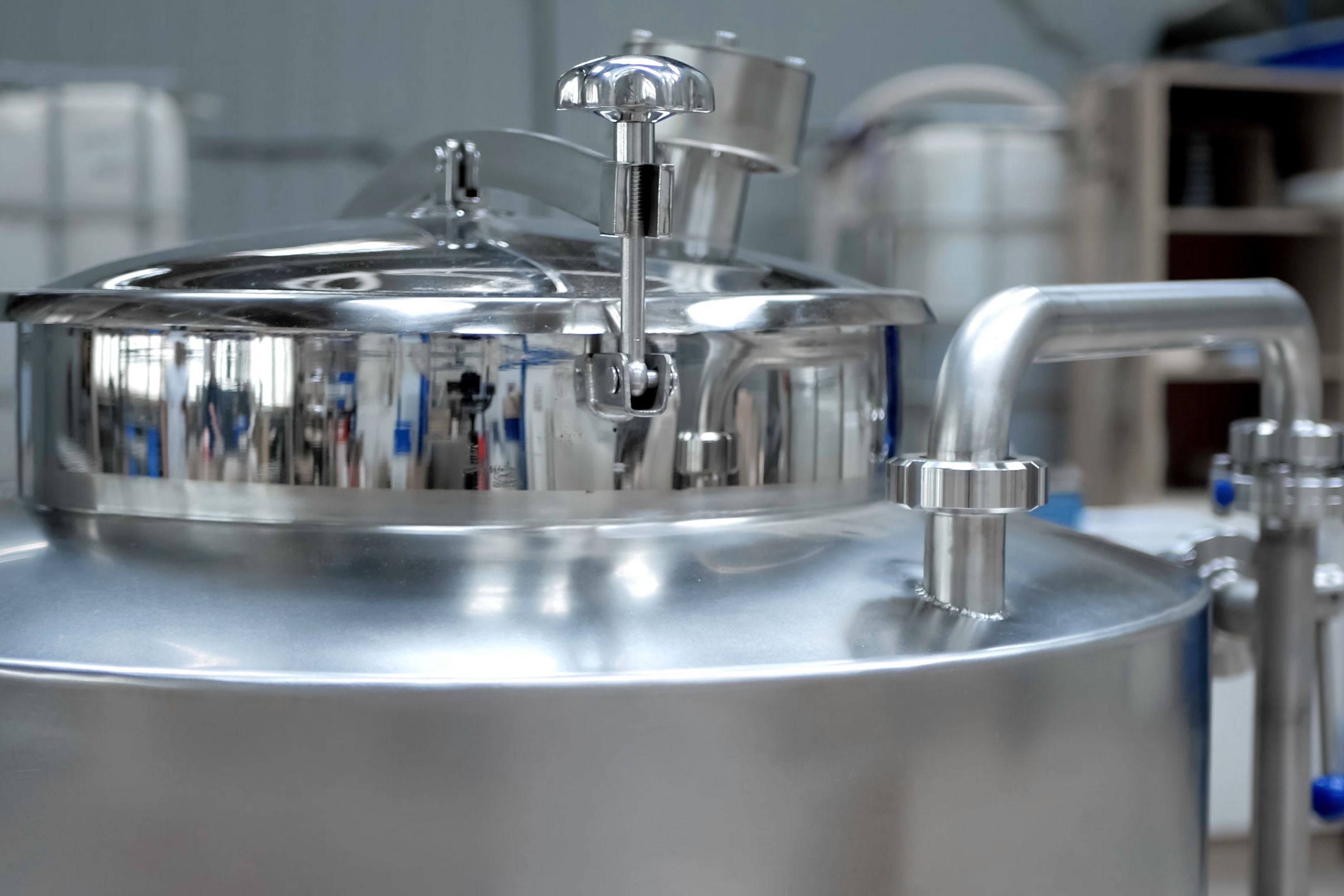
- Autoclaving: This uses steam under pressure to kill microorganisms. It's effective and widely used for metal instruments.
- Dry Heat: Suitable for materials that might be damaged by moisture, such as powders and oils.
- Chemical Sterilization: Involves using chemical agents like ethylene oxide or hydrogen peroxide gas.
Best Practices for Sterilization
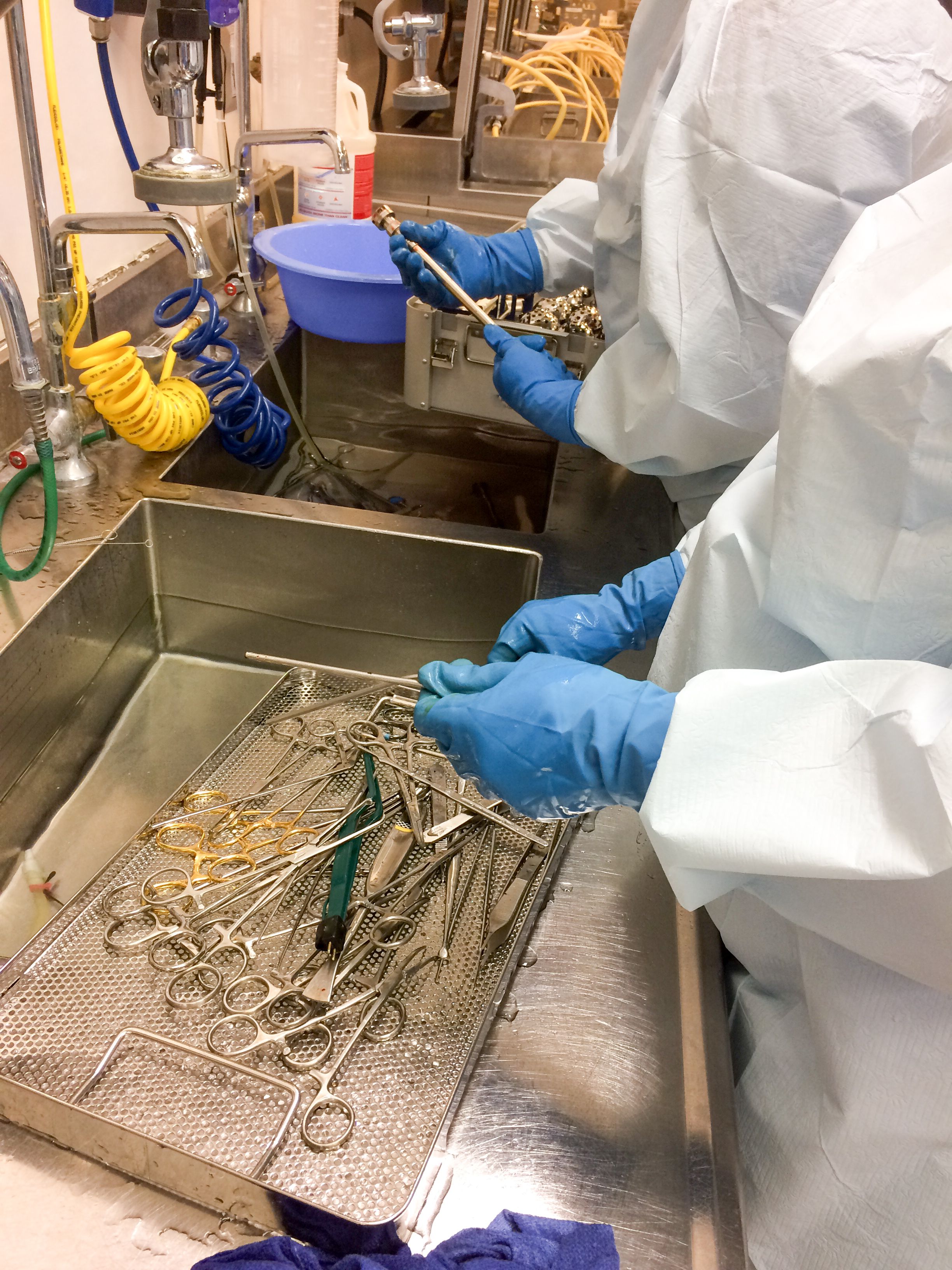
To ensure the effectiveness of sterilization, healthcare professionals must follow best practices. This includes cleaning equipment thoroughly before sterilization, as organic material can shield microbes from the sterilizing agent.
Additionally, it's essential to monitor and control the sterilization process. This can be done using indicators that confirm the effective killing of microorganisms. Both biological and chemical indicators are used to validate the process.
Common Challenges in Sterilization
Despite advancements in sterilization technology, challenges remain. One common issue is the potential for equipment damage during the process. This is particularly true for delicate instruments or those with intricate designs.

Another challenge is ensuring compliance with sterilization protocols. Staff training is crucial to avoid human errors that can compromise the sterilization process. Regular audits and feedback can help maintain high standards.
Ensuring Quality Control
Quality control in sterilization involves routine checks and maintenance of sterilization equipment. This includes calibration of machines and replacing worn-out parts to prevent malfunctions.
Furthermore, documentation of each sterilization cycle is vital for traceability and accountability. Keeping detailed records helps in identifying patterns and addressing any recurring issues.
Innovations in Sterilization Technology
Recent innovations have led to more efficient and environmentally friendly sterilization methods. Low-temperature sterilization technologies are emerging, offering solutions for heat-sensitive instruments.
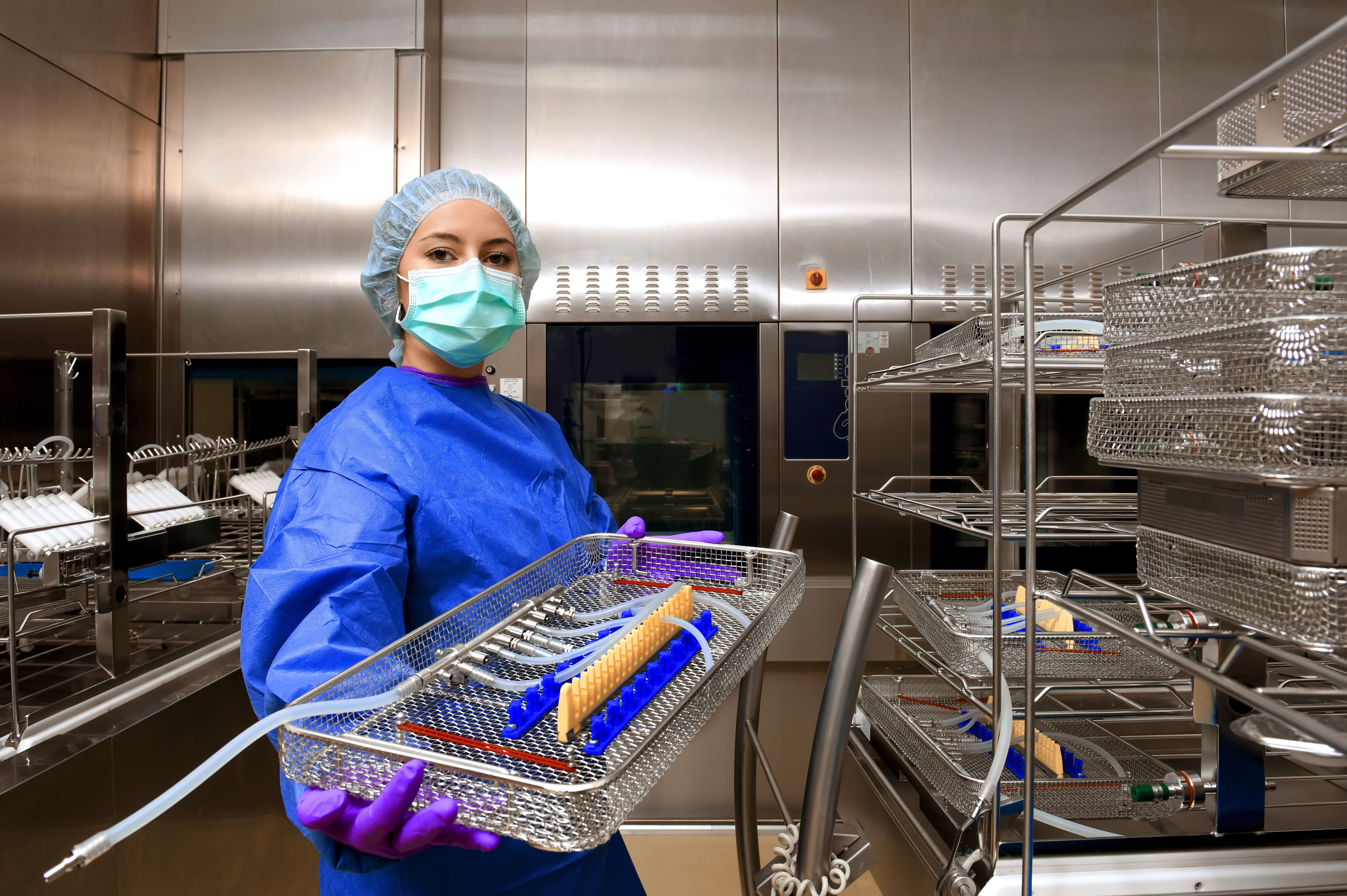
Additionally, advancements in sterilization monitoring, such as digital tracking systems, provide real-time data and ensure compliance with safety standards. These innovations are paving the way for safer and more effective sterilization processes.