
Expert Tips: Maintaining and Upgrading Medical Devices


Understanding the Importance of Medical Device Maintenance
Medical devices are essential tools in healthcare, providing critical support for diagnosis, treatment, and patient care. Regular maintenance is crucial to ensure their proper functioning and reliability. Proper upkeep not only extends the lifespan of the devices but also ensures patient safety by minimizing the risk of malfunctions.
Healthcare providers must prioritize maintenance schedules and adhere to manufacturer guidelines. By doing so, they help maintain the high standards of care that patients expect. Let's delve into some expert tips for maintaining and upgrading medical devices effectively.
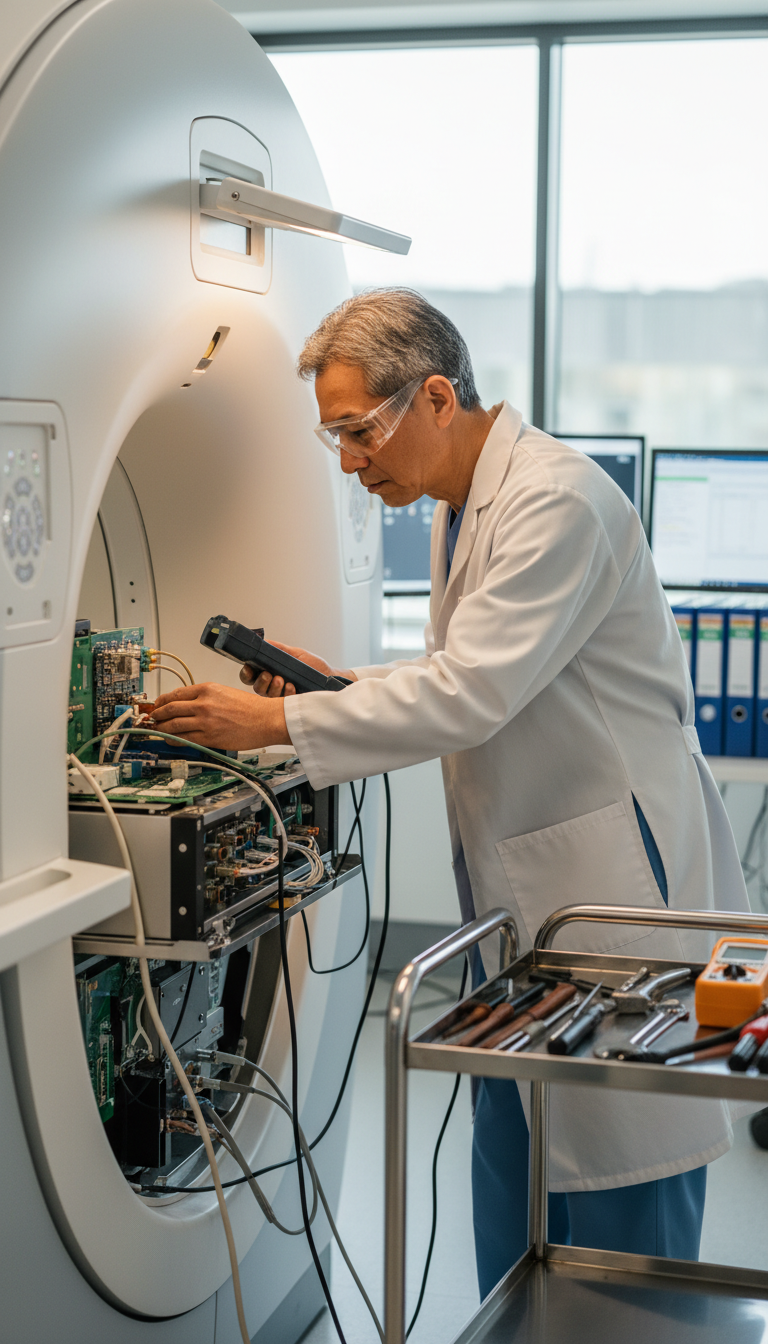
Regular Inspections and Calibration
One of the first steps in maintaining medical devices is conducting regular inspections. These inspections help identify any wear and tear or potential issues that could lead to device failure. It's essential to have a checklist that covers all components of the device for a thorough examination.
Calibration is another critical aspect. It ensures that devices are providing accurate readings and functioning as intended. Regular calibration according to the manufacturer's specifications helps maintain accuracy and reliability, which is especially important for diagnostic equipment.
Creating a Maintenance Schedule
Developing a maintenance schedule is vital for keeping track of inspections and calibrations. This schedule should be based on the device's usage frequency and manufacturer's recommendations. A well-organized maintenance plan can prevent unexpected breakdowns and reduce downtime.
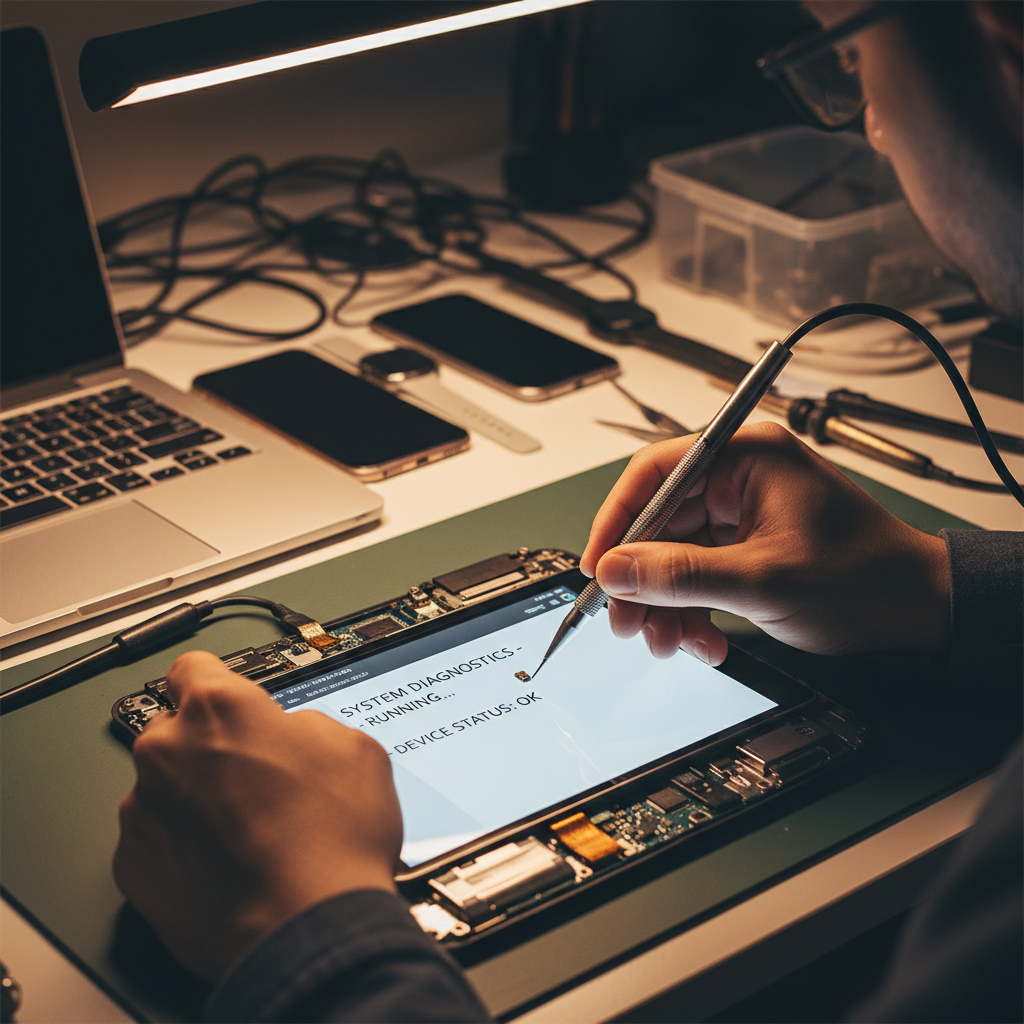
Upgrading Medical Devices
Technological advancements in healthcare are rapid, and upgrading medical devices can offer improved functionality and efficiency. Upgrades can include software updates, hardware enhancements, or even replacing outdated devices with newer models.
Before upgrading, assess the current needs of your facility and weigh the benefits of newer technology against the costs. Upgrades should enhance the quality of care and streamline operations without causing significant disruptions to daily activities.
Training and Staff Involvement
Proper training is essential when introducing upgrades or new devices. Staff should be well-versed in using and maintaining any upgraded equipment. This not only ensures optimal use but also reduces the risk of errors.
Involving staff in the decision-making process for upgrades can also provide valuable insights, as they are the primary users of the devices. Their feedback can guide better choices and foster a sense of ownership and responsibility.
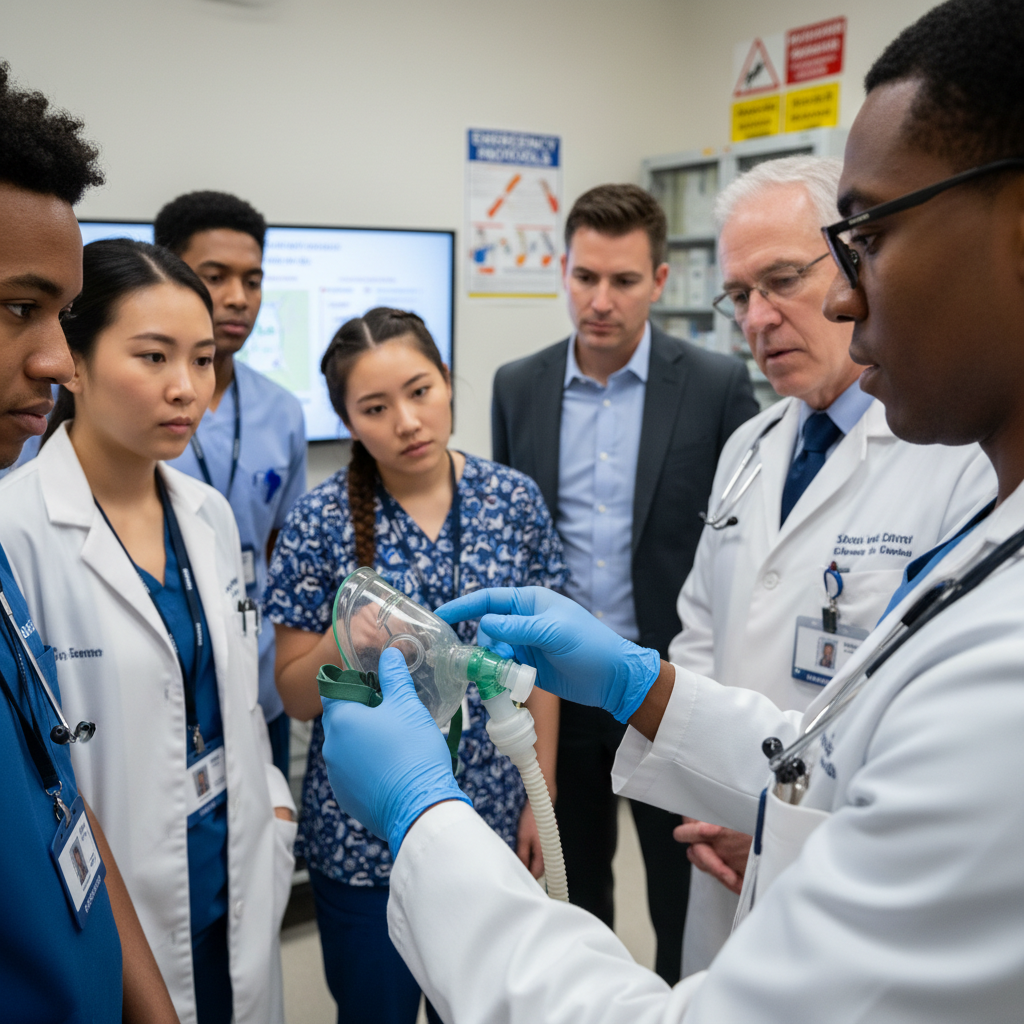
Partnering with Professionals
For complex maintenance and upgrades, partnering with professional service providers is often the best approach. These experts have the knowledge and tools necessary to handle intricate tasks, ensuring devices operate at peak performance.
Regular collaboration with these professionals can also provide insights into the latest industry trends and technologies, helping facilities stay ahead in the ever-evolving healthcare landscape.
In conclusion, maintaining and upgrading medical devices requires a proactive approach, regular attention, and collaboration with experts. By following these tips, healthcare facilities can ensure their equipment remains reliable, safe, and efficient, ultimately enhancing patient care and operational excellence.