
Expert Insights: How to Maximize the Use of Specialty Medical Devices


Understanding Specialty Medical Devices
Specialty medical devices play a crucial role in modern healthcare by providing advanced diagnostic and therapeutic options. These devices are designed to address specific medical conditions and often require specialized knowledge for effective use. Understanding their functionality and applications can significantly enhance patient outcomes and streamline healthcare processes.
Training and Education
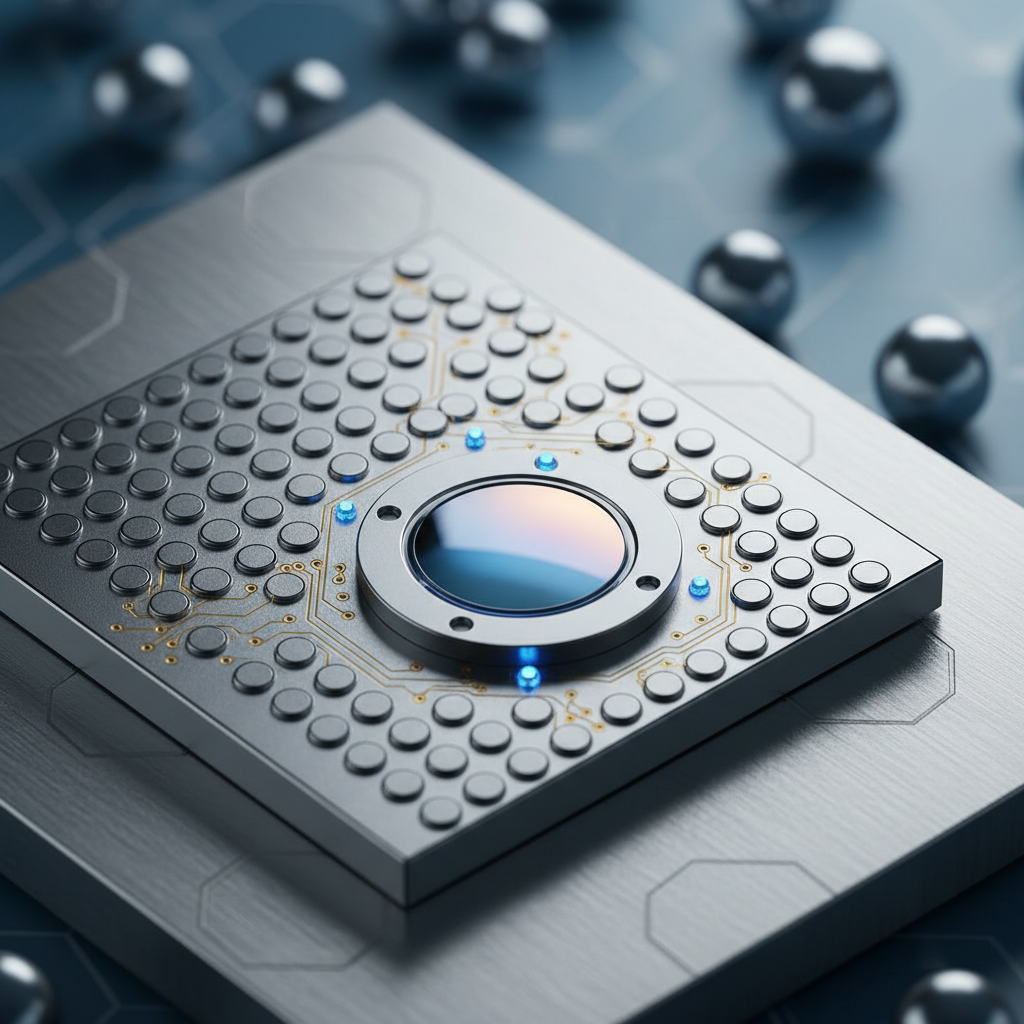
A key factor in maximizing the use of specialty medical devices is comprehensive training. Healthcare professionals must receive proper education on device operation and maintenance. This ensures not only safety but also effectiveness. Regular training sessions and workshops can keep staff updated on the latest advancements and best practices.
Moreover, manufacturers often offer detailed manuals and online resources. Taking advantage of these materials can help users deepen their understanding and troubleshoot common issues. Continuous learning is essential in keeping up with technological advancements.
Integration into Healthcare Systems
Seamless integration of specialty medical devices into healthcare systems is vital for maximizing their potential. This involves ensuring compatibility with existing technologies and workflows. Effective integration can lead to improved data management and patient care. Coordination between IT departments and healthcare teams is crucial in achieving this goal.
Regular Maintenance and Upgrades
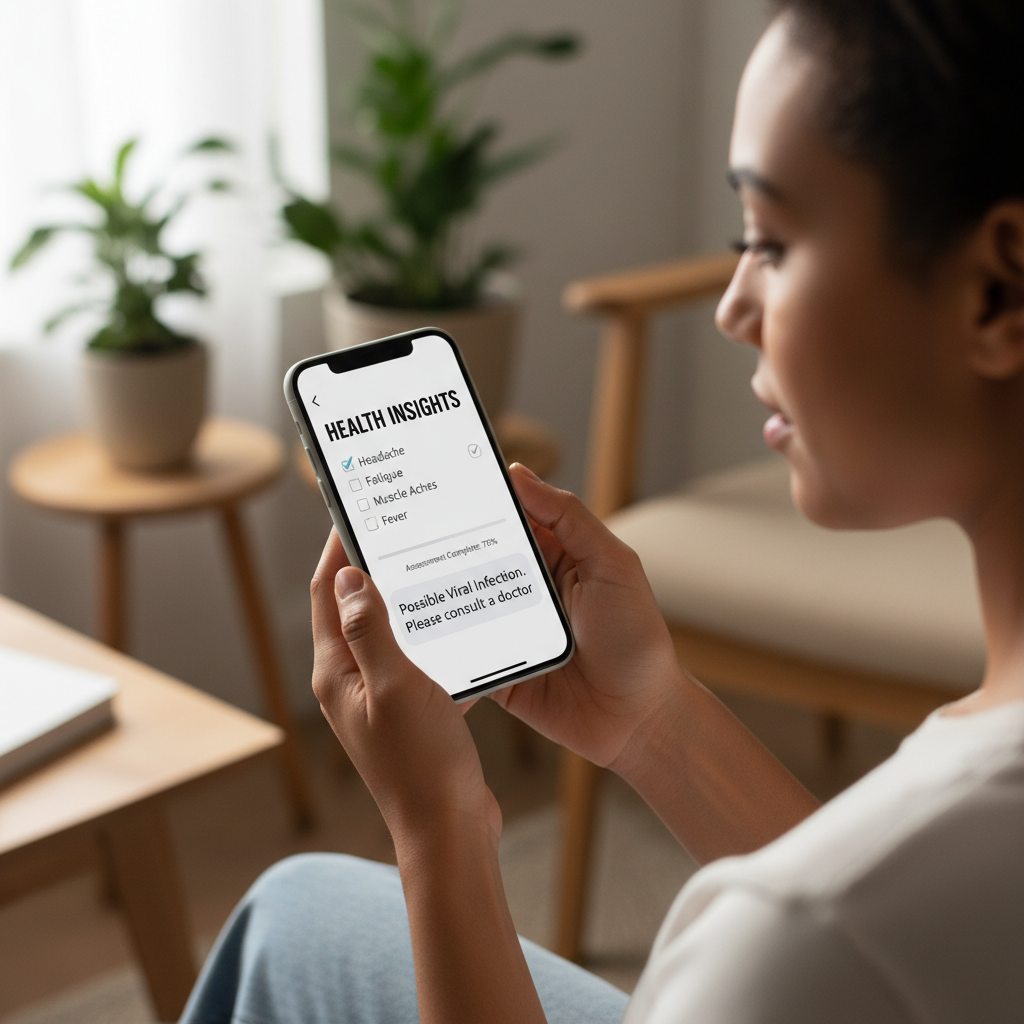
To ensure optimal performance, regular maintenance of medical devices is necessary. Scheduled check-ups can prevent malfunctions and extend the lifespan of the equipment. Additionally, staying informed about software updates and hardware upgrades can enhance device capabilities and improve accuracy.
Healthcare facilities should establish a maintenance schedule and assign dedicated personnel to oversee this process. This proactive approach can prevent unexpected downtimes and ensure continuous patient care.
Patient-Centric Approach
Maximizing the use of specialty medical devices also involves putting patients at the center of the healthcare process. This means customizing device settings to meet individual patient needs and preferences. Personalized care can lead to better patient satisfaction and outcomes.

Collaborative Efforts
Collaboration among healthcare professionals can further enhance the use of specialty medical devices. Sharing insights and experiences can lead to innovative solutions and improved practices. Encouraging communication between departments and fostering a culture of teamwork can drive better results.
Additionally, engaging with device manufacturers for feedback and support can lead to product improvements and more efficient use. Building strong partnerships is beneficial for all stakeholders involved.
Conclusion
In conclusion, maximizing the use of specialty medical devices requires a multifaceted approach. By focusing on training, integration, maintenance, patient-centered care, and collaboration, healthcare providers can fully leverage these advanced tools. The ultimate goal is to improve patient outcomes and streamline healthcare delivery, ensuring that both patients and providers benefit from these remarkable technological advancements.