
Comprehensive Guide to Hospital Equipment Leasing in Miami


Understanding Hospital Equipment Leasing
Hospital equipment leasing is an increasingly popular option for healthcare facilities in Miami looking to manage costs while maintaining access to the latest technology. By leasing equipment, hospitals can avoid the significant upfront costs associated with purchasing and instead pay a manageable monthly fee. This allows for better budget allocation and financial planning.
Benefits of Equipment Leasing
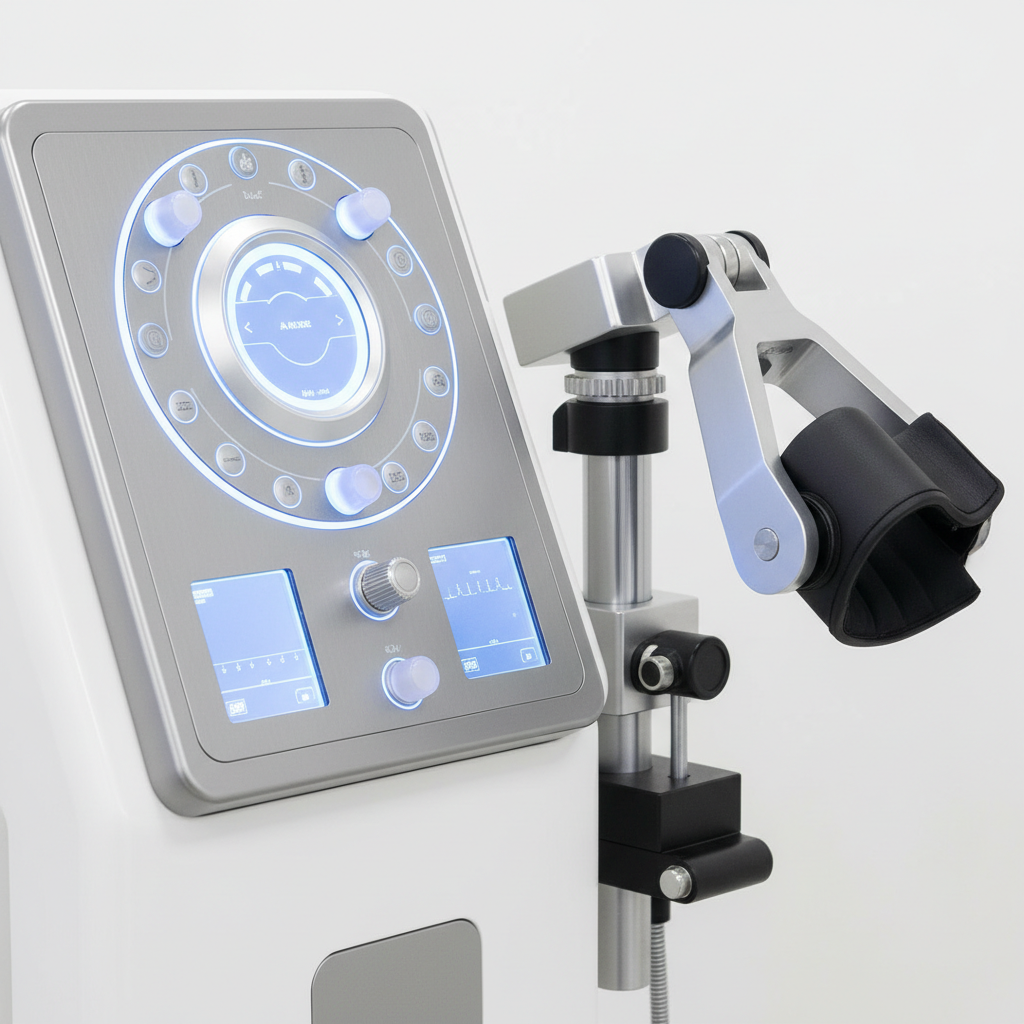
Leasing equipment offers several advantages. One of the most significant is the ability to upgrade to newer technology more frequently. Medical technology evolves rapidly, and leasing ensures that hospitals are not stuck with outdated or obsolete equipment. Additionally, leasing can provide tax benefits, as lease payments are often considered a business expense.
Another key benefit is the preservation of cash flow. By avoiding large capital expenditures, hospitals can allocate funds to other critical areas such as staffing, patient care, and facility improvements. This flexibility is invaluable for maintaining efficient operations in a competitive healthcare environment.
Types of Equipment Available for Lease
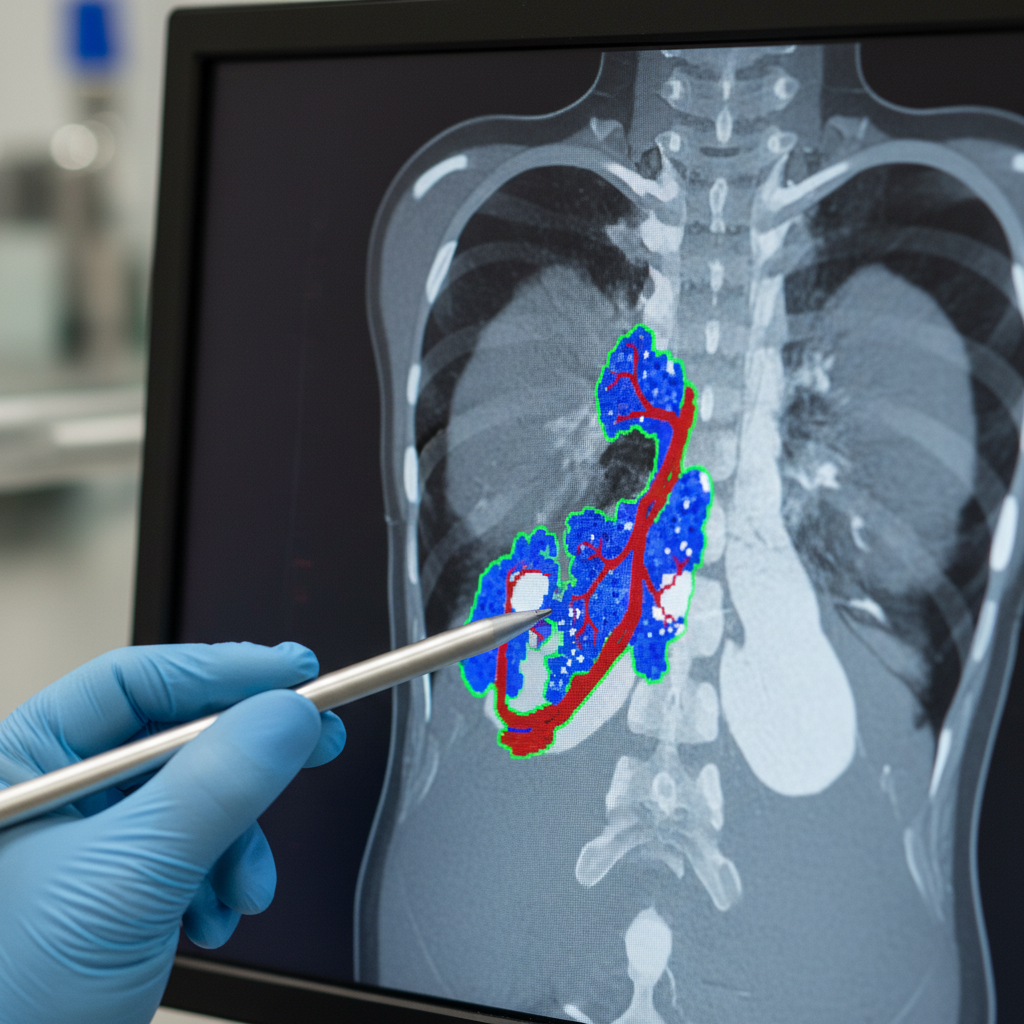
A wide range of hospital equipment can be leased, from diagnostic imaging machines to surgical instruments. Commonly leased items include MRI machines, CT scanners, and ultrasound equipment. These high-cost items can strain a hospital's budget if purchased outright, making leasing an attractive alternative.
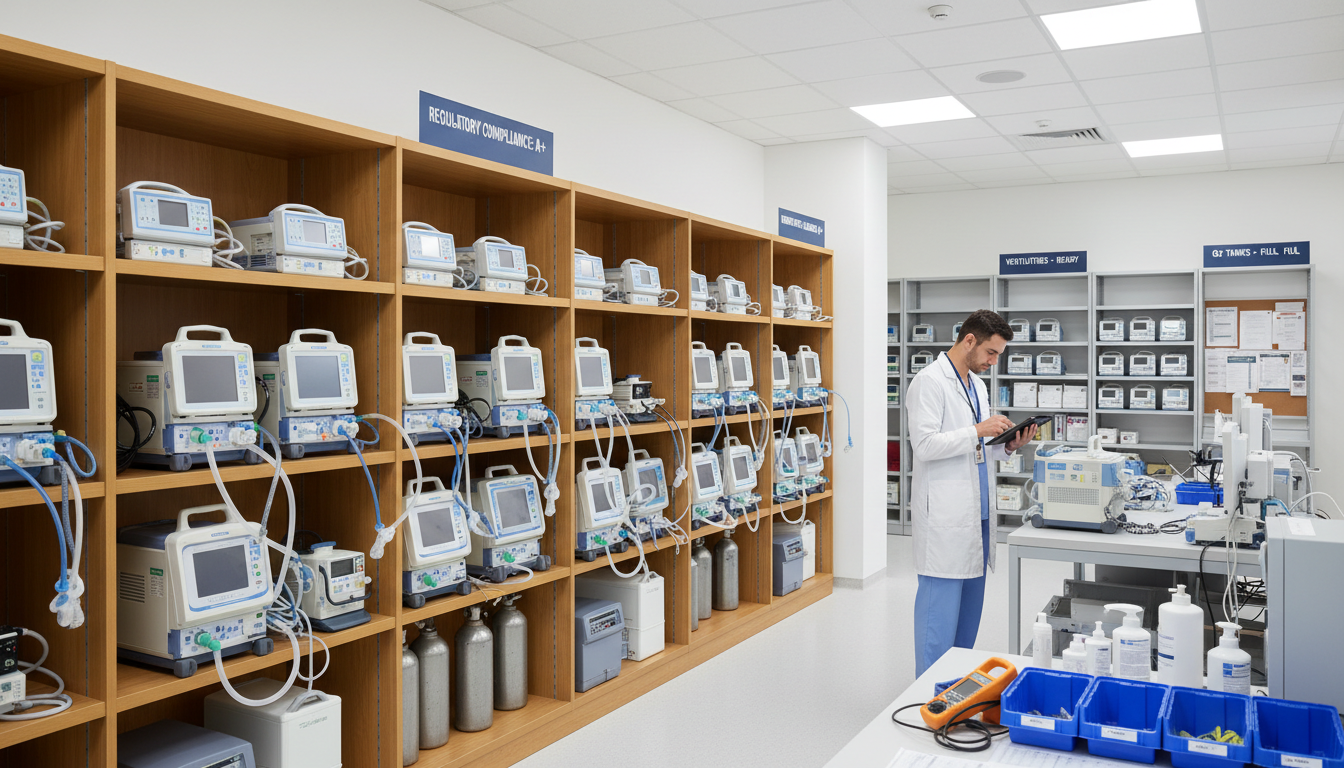
Beyond imaging equipment, hospitals can also lease essential items such as patient monitors, ventilators, and medical beds. This versatility allows healthcare facilities to tailor their leasing agreements to meet specific needs, ensuring they have the right tools to provide top-quality care.
Choosing the Right Leasing Partner
Selecting the right leasing partner is critical. Hospitals should look for companies with a strong reputation and a proven track record in the healthcare industry. It's essential to review the terms and conditions of lease agreements carefully and ensure they align with the hospital's operational goals.
Consider factors such as the duration of the lease, maintenance and service agreements, and options for upgrading equipment. A trustworthy leasing partner will offer transparent terms and be willing to tailor solutions to meet the unique needs of each facility.
Conclusion
Hospital equipment leasing in Miami presents a viable solution for healthcare facilities aiming to stay at the forefront of medical technology without the burden of heavy capital investment. By understanding the benefits and choosing the right leasing partner, hospitals can enhance their operations, improve patient care, and remain financially sound. As the healthcare landscape continues to evolve, equipment leasing will likely play an even more crucial role in strategic planning and resource management.