
Comparing the Latest Medical Devices: What You Need to Know


Introduction to the Latest Medical Devices
The medical field is continuously evolving, and the introduction of new medical devices has been a game-changer in enhancing patient care. These innovations bring about improved accuracy, efficiency, and patient outcomes. In this blog post, we will explore some of the latest medical devices and what you need to know about them.
Wearable Health Devices
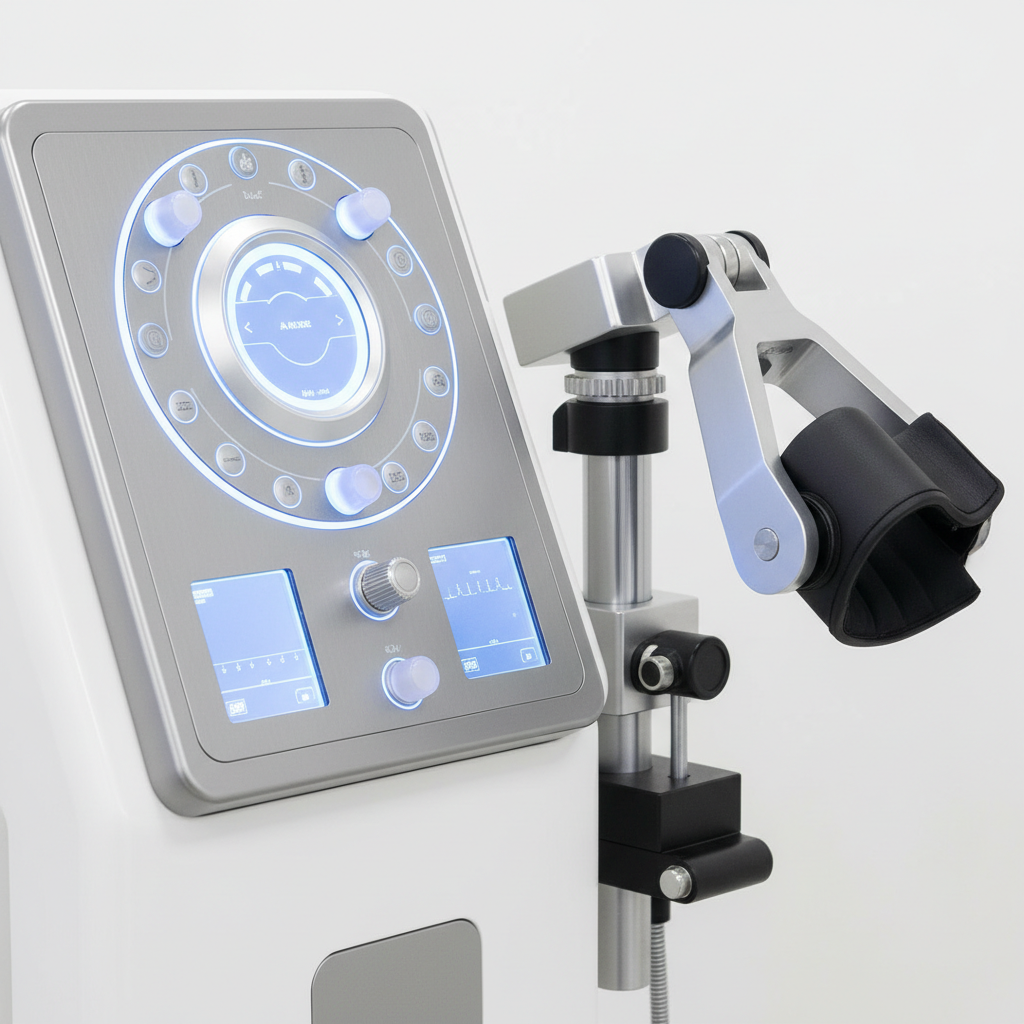
Wearable health devices have become increasingly popular due to their ability to monitor health metrics in real-time. Devices like smartwatches and fitness trackers can track heart rate, physical activity, and even sleep patterns. For patients with chronic conditions, these devices offer a non-invasive way to keep tabs on their health.
Benefits and Challenges
The primary benefit of wearable health devices is their convenience and accessibility. Patients can maintain continuous monitoring without regular visits to healthcare facilities. However, data security and accuracy remain a concern. It's crucial to ensure that the information collected is both safe and reliable.

Robotic Surgery Systems
Robotic surgery systems have revolutionized surgical procedures by offering precision and control that surpasses human capability. Surgeons can perform complex operations with minimal invasiveness, leading to faster recovery times and reduced risk of infection.
Key Features
- Precision: Enhanced precision in surgical procedures.
- Minimally Invasive: Smaller incisions lead to quicker recovery.
- Versatility: Applicable for various types of surgeries.

Advanced Diagnostic Tools
Diagnostic tools are crucial in identifying diseases early, thus improving treatment outcomes. Recent advancements have led to the development of devices that offer more detailed insights into a patient's condition. Examples include improved imaging devices and AI-powered diagnostic software.
Impact on Patient Care
These tools have significantly enhanced the accuracy of diagnoses, allowing for early intervention and personalized treatment plans. By pinpointing conditions earlier, healthcare providers can offer targeted therapies, ultimately improving patient prognosis.
Telemedicine Technologies
Telemedicine has become a cornerstone of modern healthcare, especially in the wake of global health crises. It allows patients to consult with healthcare providers remotely, eliminating the need for physical visits. This technology has made healthcare more accessible, particularly for those in remote areas.
Advantages and Limitations
While telemedicine offers convenience and reduces the risk of exposure to contagious diseases, it also presents challenges such as technology dependency and potential limitations in performing physical examinations. Despite these challenges, telemedicine continues to grow and evolve.

Conclusion
The latest medical devices have undoubtedly improved the landscape of healthcare, offering better outcomes and enhanced patient experiences. As technology continues to advance, it is essential for healthcare providers and patients to stay informed about these innovations to make the best use of them.