
Common Misconceptions About Medical Device Sterilization


Understanding the Importance of Medical Device Sterilization
Medical device sterilization is a critical process that ensures the safety and effectiveness of healthcare equipment. However, there are several common misconceptions that often lead to confusion and improper practices. This blog post aims to debunk these myths and provide clarity on the subject.
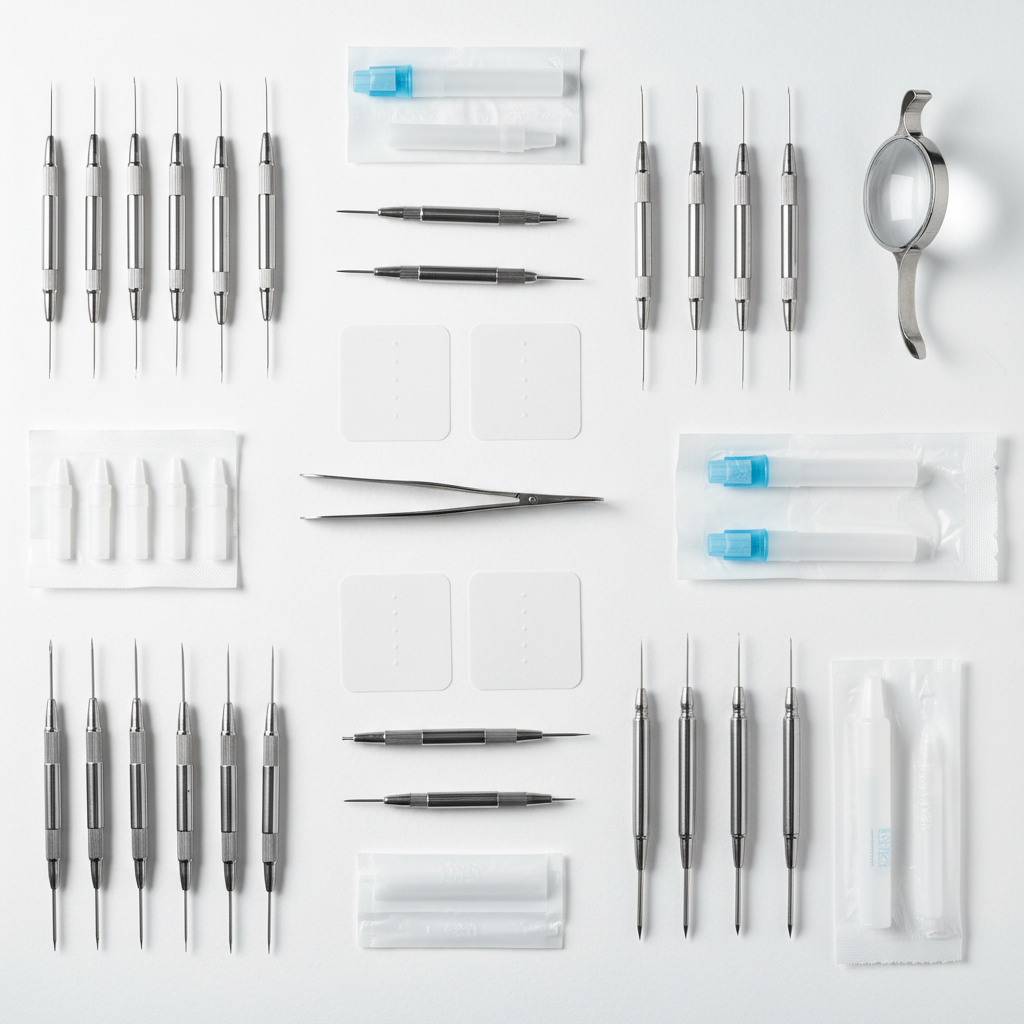
Misconception 1: Sterilization and Disinfection Are the Same
One of the most prevalent myths is that sterilization and disinfection are interchangeable. While both are essential for infection control, they serve different purposes. Sterilization involves eliminating all forms of microbial life, including spores, whereas disinfection reduces the number of pathogens to a safe level. Understanding this distinction is crucial for the proper handling of medical devices.
Misconception 2: All Sterilization Methods Are Equal
There is a misconception that any sterilization method will suffice for all medical devices. In reality, different devices require specific methods based on their material and intended use. Common methods include steam sterilization, ethylene oxide gas, and radiation. Choosing the wrong method can compromise the device's integrity and effectiveness.
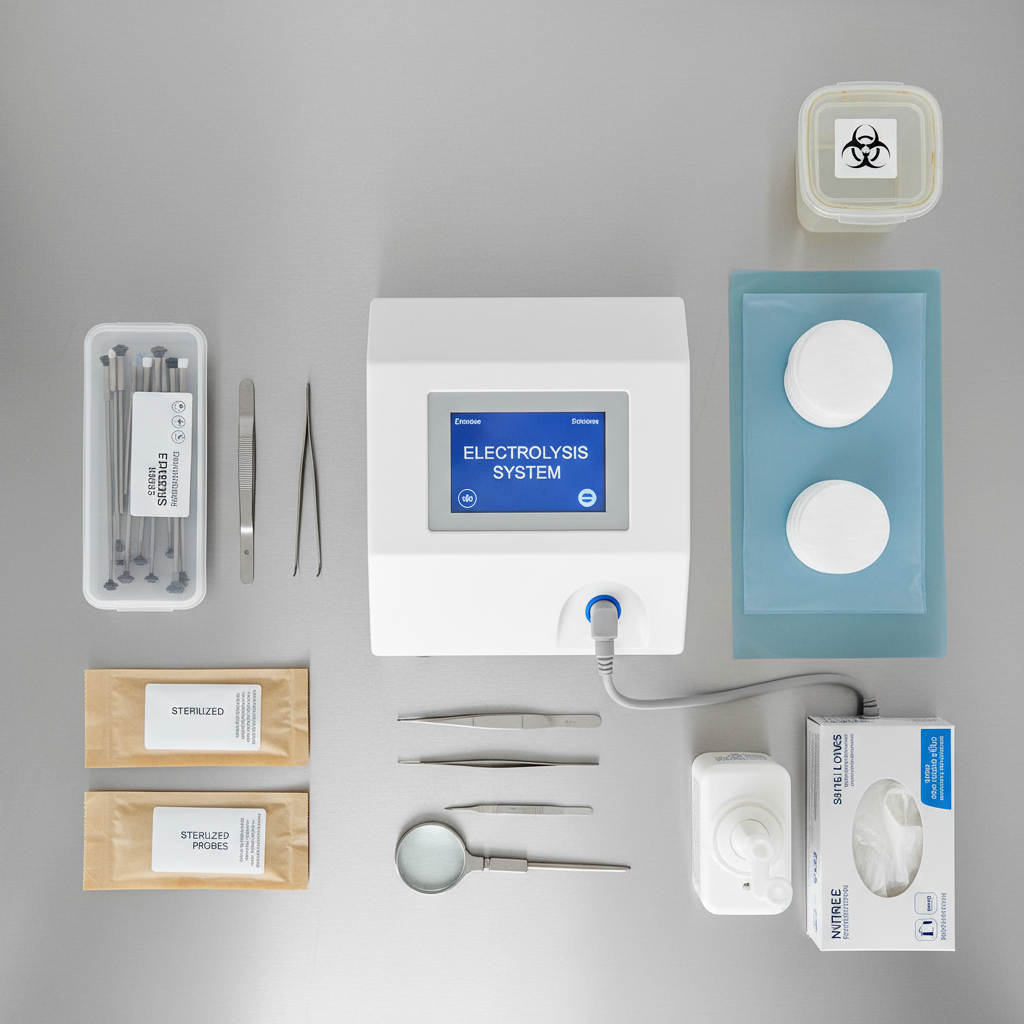
Misconception 3: Reusable Devices Don't Need Frequent Sterilization
Another myth is that reusable devices do not need to be sterilized frequently. On the contrary, reusable medical devices must be sterilized after each use to prevent cross-contamination and ensure patient safety. Regular sterilization helps maintain the functionality and reliability of the devices.
Misconception 4: Visual Cleanliness Equals Sterility
Many people believe that if a device looks clean, it is sterile. This is a dangerous misconception. Visual inspection cannot detect microbial contamination. Proper sterilization processes must be followed, regardless of the device's appearance, to ensure true sterility.
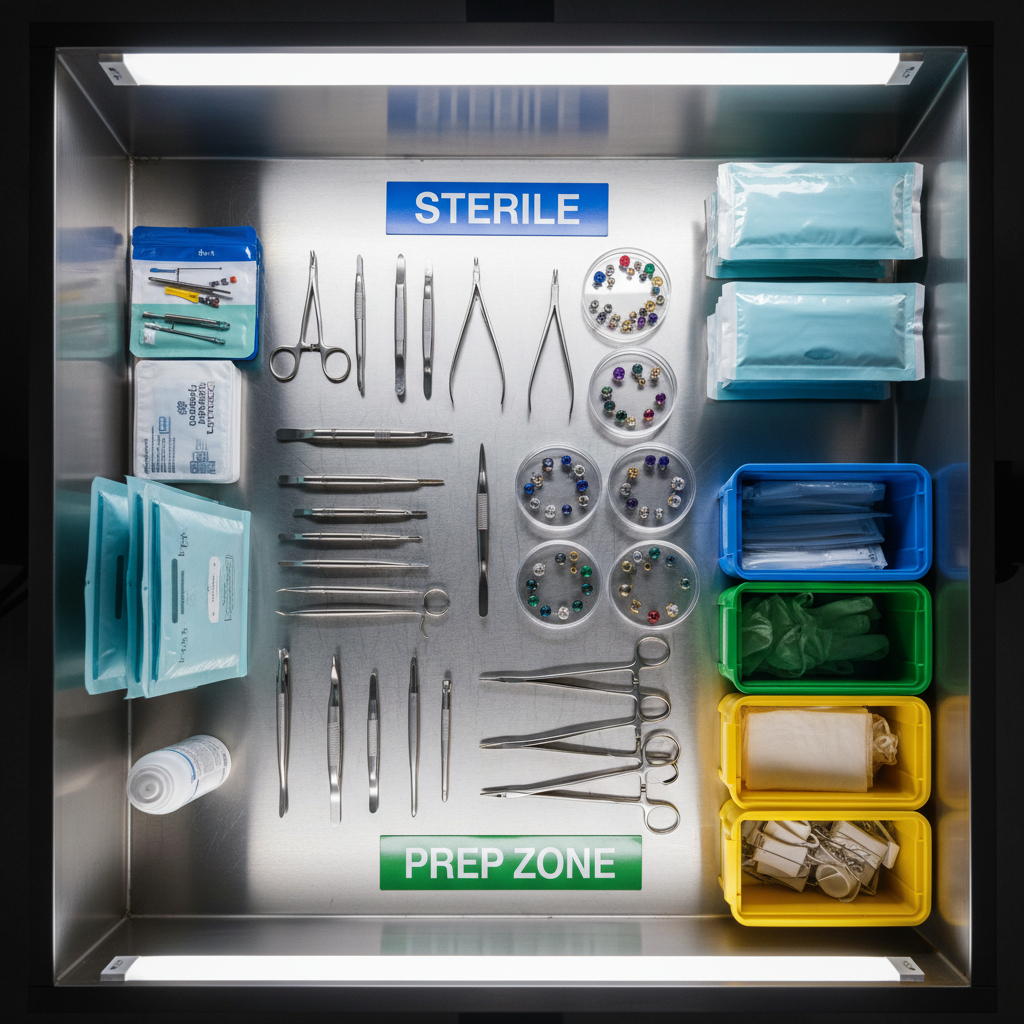
Misconception 5: Sterilization Erases Device History
Some assume that sterilization resets a device's history, making it as good as new. While sterilization is crucial for safety, it does not undo wear and tear or damage. Regular maintenance and inspection are necessary alongside sterilization to ensure devices remain in top condition.
Conclusion: Prioritizing Accurate Sterilization Practices
Understanding these misconceptions about medical device sterilization is vital for healthcare professionals and facilities. By addressing these myths and emphasizing the importance of accurate sterilization practices, we can enhance patient safety and improve healthcare outcomes. Always follow industry guidelines and stay informed about the latest sterilization technologies and standards.