
A Step-by-Step Guide to Equipment Sterilization for Healthcare Professionals


Introduction to Equipment Sterilization
Ensuring that medical equipment is thoroughly sterilized is a critical responsibility for healthcare professionals. Proper sterilization helps prevent infections, maintain patient safety, and uphold the highest standards of healthcare. In this guide, we'll explore the essential steps and best practices for effective equipment sterilization.

Understanding Sterilization Methods
Before diving into the step-by-step process, it's important to understand the various sterilization methods available. Common methods include steam sterilization, chemical sterilization, and gas sterilization. Each method has its specific applications and is chosen based on the type of equipment and the level of sterilization required.
Steam sterilization is often used for heat-resistant instruments, while chemical sterilization might be applied for sensitive items. Understanding these methods is crucial in selecting the appropriate process for each piece of equipment.
Step 1: Pre-Cleaning the Equipment
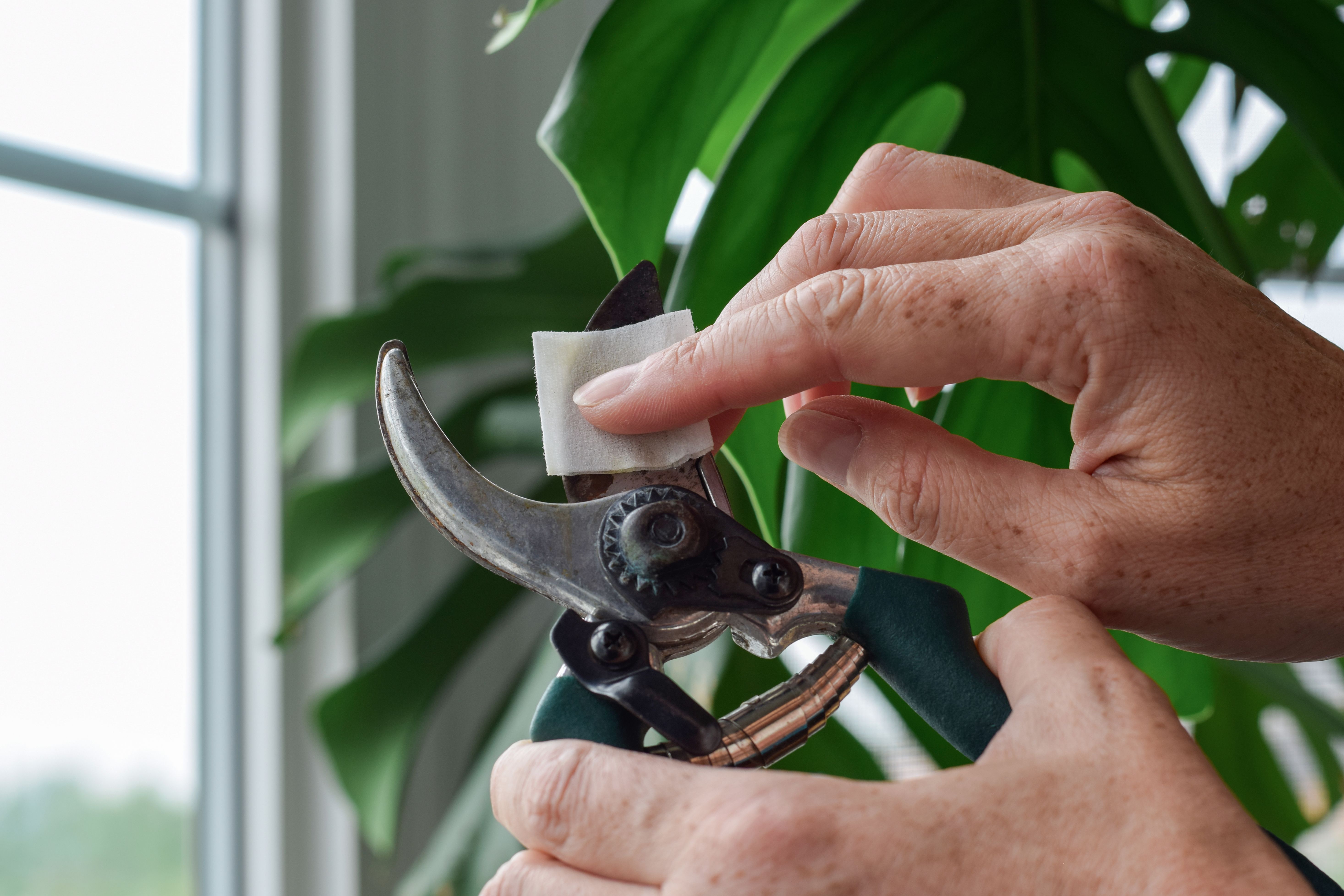
Pre-cleaning is the first step in the sterilization process. It involves removing any visible debris or organic matter from the equipment. Use water and a mild detergent to gently scrub the items, ensuring all surfaces are free of contaminants. This step is vital as residues can interfere with the sterilization process.
Step 2: Selecting the Sterilization Method
Choose the appropriate sterilization method based on the equipment's material and intended use. For most reusable medical tools, steam sterilization is preferred due to its effectiveness and efficiency. However, for heat-sensitive items, consider chemical or gas sterilization.
It's essential to follow the manufacturer's instructions and any regulatory guidelines when selecting a sterilization method to ensure compliance and safety.
Step 3: Packaging the Equipment
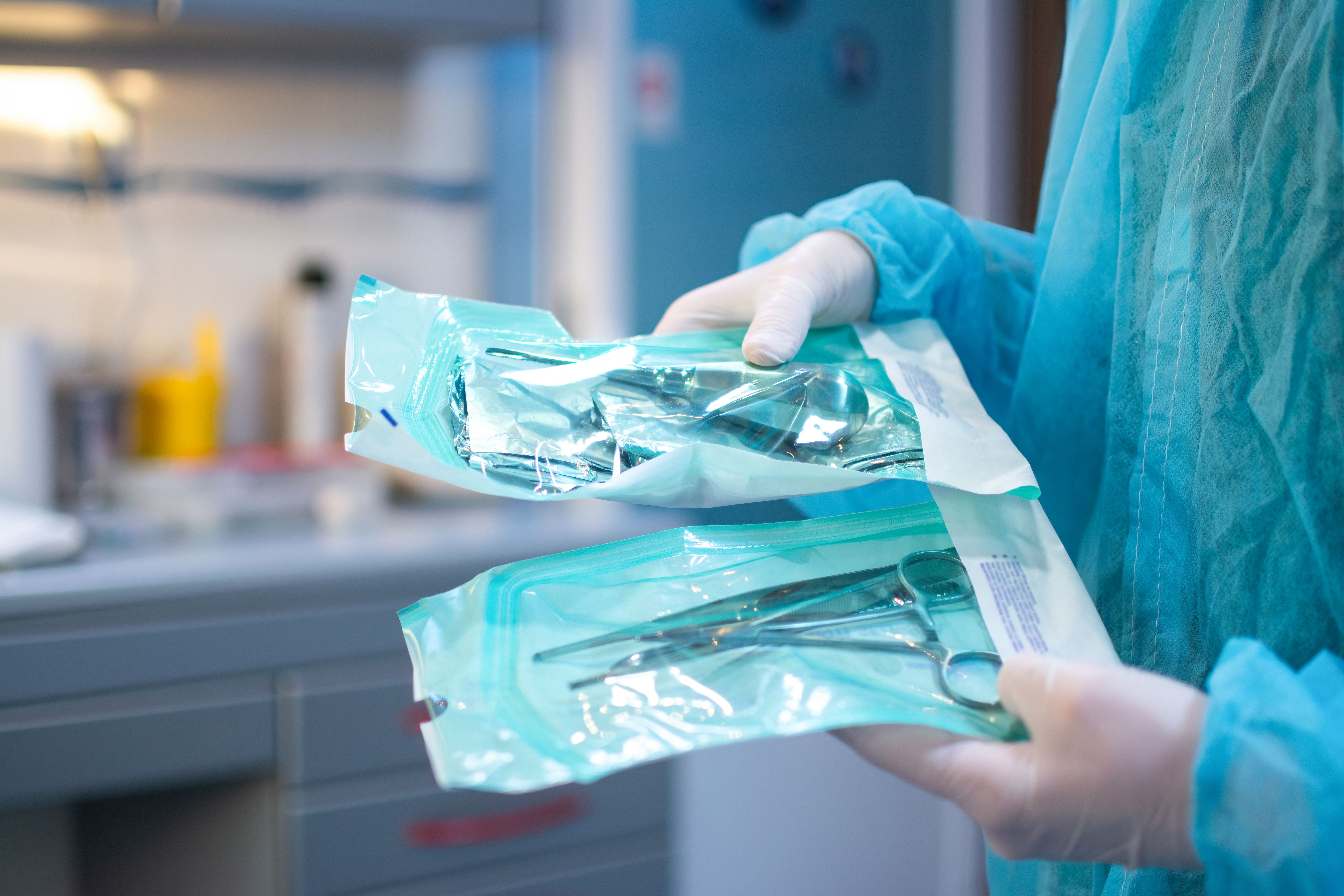
Once the equipment is clean and the sterilization method is selected, the next step is packaging. Proper packaging prevents contamination during and after the sterilization process. Use sterilization wraps, pouches, or containers designed for the specific method being used. Ensure that all packages are sealed properly to maintain sterility.
Step 4: Monitoring and Quality Control
Monitoring the sterilization process is crucial for verifying its effectiveness. Use chemical indicators and biological indicators to test the sterilization cycle. These indicators provide visual or biological confirmation that the equipment has been properly sterilized.
Regular quality control checks should be part of your sterilization routine to ensure consistent results. Keeping records of each cycle can help track performance and identify any issues early.
Step 5: Storing Sterilized Equipment
Once sterilized, equipment must be stored in a manner that maintains its sterility. Store items in a clean, dry environment away from contaminants. Ensure that storage areas are organized and that packages are clearly labeled with sterilization dates.
Proper storage practices are vital for preventing recontamination and ensuring that equipment is ready for use when needed.
Conclusion
Effective equipment sterilization is a cornerstone of patient safety and healthcare quality. By following these steps, healthcare professionals can ensure that their sterilization processes are thorough and compliant with industry standards. Continuous education and adherence to guidelines will help maintain the highest levels of infection control in healthcare settings.