
A Guide to Seasonal Medical Device Needs: Preparing for Change


Understanding Seasonal Needs in Medical Devices
As the seasons change, so do the requirements for medical devices. Hospitals, clinics, and healthcare providers must be prepared to adapt to these shifts to ensure optimal patient care. Understanding how seasonal variations impact medical device needs is crucial for maintaining efficiency and effectiveness in healthcare delivery.
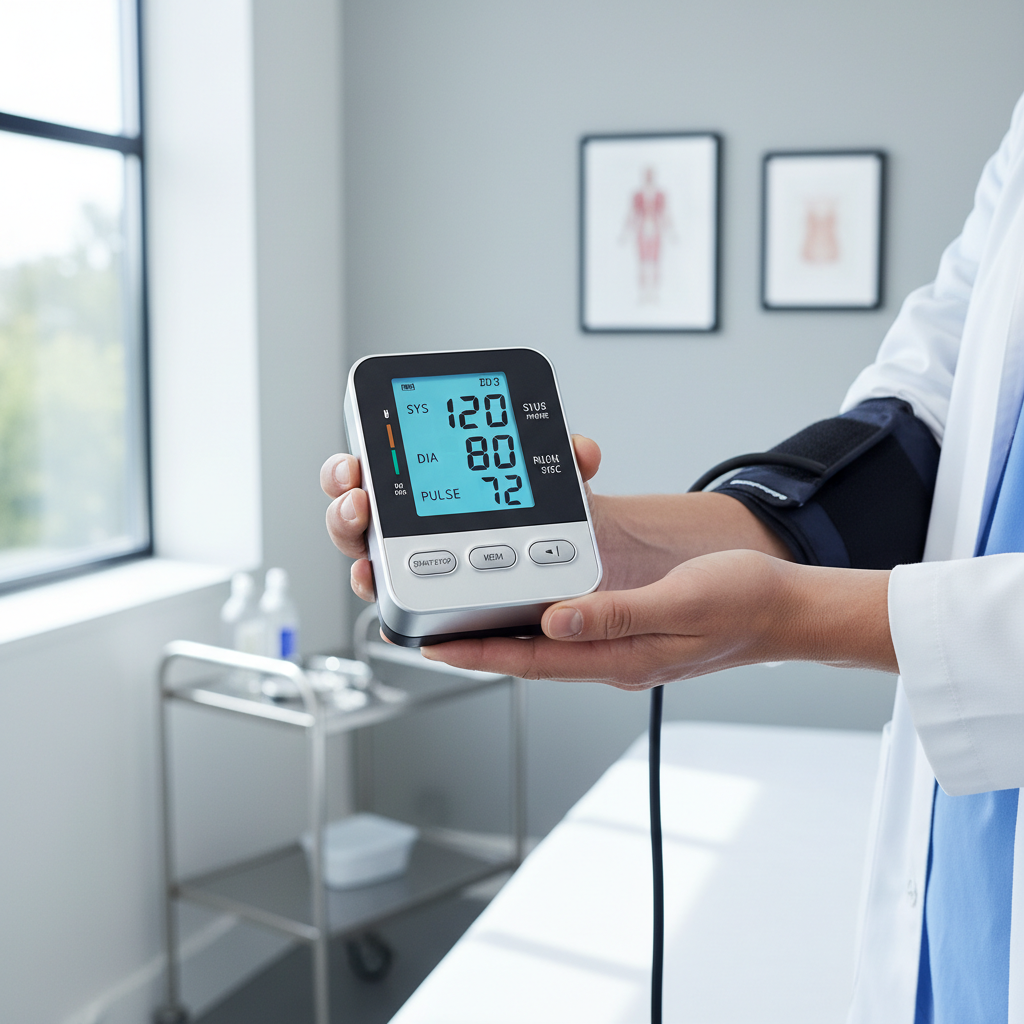
Each season presents unique challenges and opportunities. For instance, winter months might increase the demand for respiratory devices due to a rise in flu cases, while summer could see a spike in heat-related illnesses, necessitating specific monitoring equipment. Recognizing these patterns helps in proactive planning and resource allocation.
Key Considerations for Seasonal Preparedness
To adequately prepare for seasonal changes, healthcare facilities must consider several factors. First, analyzing historical data can provide insights into past trends and help predict future needs. This data-driven approach ensures that facilities are not caught off guard by sudden spikes in demand.
Moreover, engaging with healthcare professionals to gather insights on anticipated needs can enhance readiness. Regular communication with staff allows for a more responsive and adaptive strategy, ensuring that the right devices are available when needed.

Inventory Management
Effective inventory management is at the heart of seasonal preparedness. Maintaining a balanced stock of essential medical devices helps avoid shortages and excesses. Implementing automated inventory systems can streamline this process, offering real-time visibility into stock levels and facilitating timely reordering.
In addition, partnering with reliable suppliers ensures a steady supply chain. Building strong relationships with vendors can lead to better terms and quicker responses during peak demand periods.
Training and Staff Preparedness
As device needs fluctuate with the seasons, so too should the training of healthcare staff. Continuous education programs can keep staff updated on the latest equipment and protocols, ensuring they are well-prepared to handle seasonal shifts.

Moreover, cross-training staff in various devices can provide flexibility during high-demand periods. This strategy not only maximizes resource utilization but also enhances the facility’s ability to deliver quality care under changing conditions.
Patient Education and Communication
Educating patients about the importance of seasonal medical device needs is equally important. Clear communication regarding the availability and use of different devices can improve patient outcomes and satisfaction. Providing informational materials or hosting workshops can empower patients to participate actively in their healthcare.
In conclusion, preparing for seasonal changes in medical device needs is a multifaceted approach that involves strategic planning, inventory management, staff training, and patient engagement. By adopting these practices, healthcare facilities can ensure they are well-equipped to meet the demands of each season, ultimately enhancing patient care and operational efficiency.