
A Comprehensive Guide to Specialty Medical Devices for New Healthcare Facilities


Understanding Specialty Medical Devices
Specialty medical devices are critical tools in modern healthcare facilities, providing advanced solutions for diagnosis, treatment, and patient care. These devices range from complex imaging systems to innovative surgical instruments, each designed to address specific medical needs. For new healthcare facilities, understanding and selecting the right specialty medical devices is crucial for delivering high-quality care.

Types of Specialty Medical Devices
There are several categories of specialty medical devices, each with unique functions:
- Diagnostic Devices: These include MRI machines, CT scanners, and ultrasound devices, essential for accurate and early diagnosis.
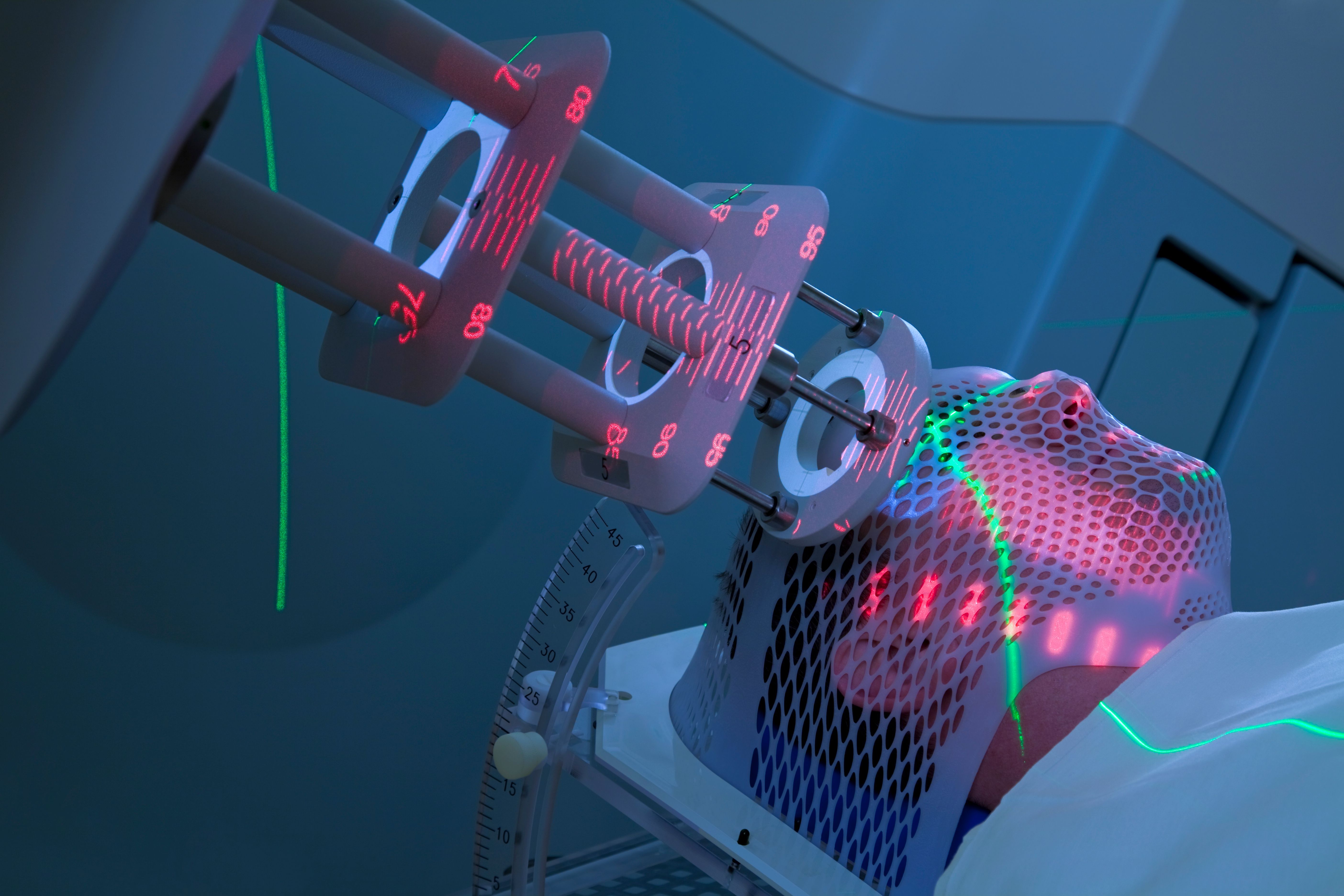
- Therapeutic Devices: Such as infusion pumps, dialysis machines, and laser surgery instruments, which aid in effective treatment.
- Monitoring Devices: Vital for tracking patient health, including ECG monitors, blood pressure monitors, and glucose meters.
Considerations for New Facilities
When choosing specialty medical devices, new healthcare facilities should consider several factors to meet their specific needs and budget constraints. Quality and reliability are paramount, as these devices are integral to patient outcomes. Facilities should also evaluate the ease of use and maintenance requirements to ensure smooth operation and longevity.
Regulatory Compliance
Compliance with regulatory standards is essential when acquiring specialty medical devices. Facilities must ensure that devices meet national and international health and safety standards. This not only guarantees patient safety but also enhances the facility's credibility and trustworthiness.
Training and Support
Proper training for healthcare professionals is crucial when integrating new devices into a facility. Manufacturers often provide training sessions and ongoing support to ensure that staff are proficient in operating the devices. This training enhances efficiency and reduces the risk of errors.

Budgeting and Financing
Specialty medical devices can represent a significant financial investment. Facilities should explore various financing options, such as leasing or purchasing used equipment, to optimize their budget. Additionally, considering the total cost of ownership, including maintenance and operational costs, is essential for long-term financial planning.
Future-Proofing Your Facility
As technology evolves, staying updated with the latest advancements in medical devices is vital. New facilities should consider devices that offer scalability and upgradeability to adapt to future healthcare demands. This forward-thinking approach ensures that the facility remains competitive and capable of providing cutting-edge care.
In conclusion, selecting the right specialty medical devices is a complex but essential task for new healthcare facilities. By understanding the types of devices, ensuring regulatory compliance, providing adequate training, and planning financially, facilities can enhance their service delivery and patient outcomes.